
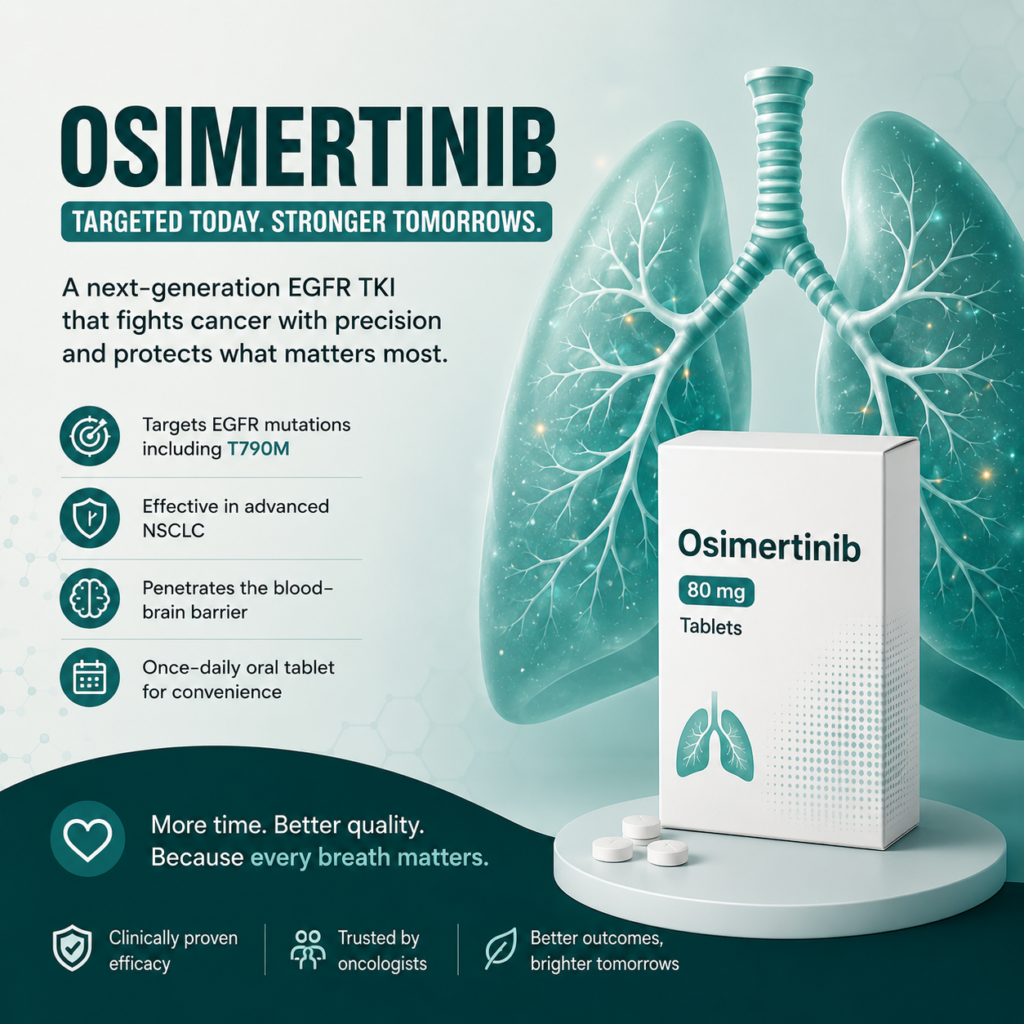
Cancer treatment has witnessed remarkable advancements over the past decade, and one of the most promising developments has been the rise of targeted therapies. Unlike traditional chemotherapy, which attacks both healthy and cancerous cells, targeted therapies focus on specific genetic mutations that drive cancer growth. Among these groundbreaking treatments, Osimertinib has emerged as a revolutionary medicine for patients with certain types of lung cancer.
Osimertinib is primarily used for treating non-small cell lung cancer (NSCLC) with epidermal growth factor receptor (EGFR) mutations. It has significantly improved survival rates, treatment outcomes, and quality of life for many patients worldwide. This article explores what Osimertinib is, how it works, its benefits, side effects, treatment process, and why it represents a major milestone in modern oncology.
Understanding Lung Cancer
Lung cancer is one of the most common cancers globally and remains a leading cause of cancer-related deaths. It develops when abnormal cells grow uncontrollably in the lungs. Lung cancer is broadly divided into two main categories:
- Non-small cell lung cancer (NSCLC)
- Small cell lung cancer (SCLC)
NSCLC accounts for nearly 85% of all lung cancer cases. Within NSCLC, certain patients have genetic mutations that fuel the growth of cancer cells. One of the most important mutations is the EGFR mutation.
The discovery of EGFR mutations transformed the treatment landscape because it opened the door to targeted therapies designed specifically for these cancer-driving mutations.
What Is Osimertinib?
Osimertinib is a third-generation EGFR tyrosine kinase inhibitor (TKI). It is an oral targeted therapy medicine developed to treat EGFR mutation-positive NSCLC.
The medicine works by blocking signals that cancer cells use to grow and spread. It is particularly effective in patients whose tumours have specific EGFR mutations, including:
- Exon 19 deletions
- Exon 21 L858R substitution mutations
- T790M resistance mutation
Osimertinib is widely recognised for its ability to target cancer cells while reducing damage to normal healthy cells compared to conventional chemotherapy.
How Osimertinib Works
Cancer cells with EGFR mutations grow rapidly because the EGFR protein continuously sends signals telling the cells to multiply. Osimertinib blocks these abnormal signals.
By inhibiting the mutated EGFR protein, Osimertinib helps:
- Slow tumour growth
- Reduce tumour size
- Prevent cancer spread
- Delay disease progression
One of the major advantages of Osimertinib is its ability to cross the blood-brain barrier. This means it can effectively treat or help prevent cancer spread to the brain, which is a common complication in advanced lung cancer.
Why Osimertinib Is Considered a Breakthrough
Osimertinib has become one of the most important targeted therapies in oncology for several reasons.
1. Improved Survival Outcomes
Clinical studies have shown that patients treated with Osimertinib often experience significantly longer progression-free survival and overall survival compared to earlier EGFR inhibitors.
This means patients can live longer while maintaining a better quality of life.
2. Better Tolerability
Compared to chemotherapy, Osimertinib generally causes fewer severe side effects because it specifically targets cancer cells.
Many patients can continue daily activities, work, and family life during treatment.
3. Effective Against Resistant Mutations
One major challenge in cancer treatment is resistance. Earlier EGFR-targeted medicines often became less effective over time due to the development of the T790M mutation.
Osimertinib was specifically designed to target this resistance mutation, making it highly valuable in advanced treatment settings.
4. Brain Metastases Control
Brain metastases are common in advanced lung cancer patients. Osimertinib has shown strong effectiveness in controlling cancer spread to the brain.
This feature gives it a major advantage over many older therapies.
Who Can Benefit From Osimertinib?
Osimertinib is prescribed for patients with EGFR mutation-positive NSCLC. Before starting treatment, doctors perform molecular or genetic testing to identify the mutation.
The medicine may be used:
- As first-line treatment for advanced EGFR-positive NSCLC
- After surgery in certain early-stage cases
- For patients who develop resistance to earlier EGFR inhibitors
- In metastatic lung cancer cases
The decision to use Osimertinib depends on medical evaluation, genetic test reports, stage of cancer, and overall patient health.
Importance of Genetic Testing
Precision medicine is changing oncology, and genetic testing plays a critical role in this transformation.
Before prescribing Osimertinib, doctors test tumour samples or blood samples to identify EGFR mutations.
This helps ensure that the treatment is matched to the patient’s specific cancer profile.
Genetic testing helps:
- Identify eligible patients
- Improve treatment success
- Avoid unnecessary therapies
- Support personalised cancer care
The rise of targeted therapy highlights how cancer treatment is becoming increasingly individualised.
Benefits of Osimertinib Treatment
Targeted Action
Unlike chemotherapy, Osimertinib focuses specifically on cancer-driving mutations.
Oral Medication
Osimertinib is taken as a tablet, making treatment more convenient compared to intravenous therapies.
Better Quality of Life
Many patients experience fewer severe side effects and improved daily functioning.
Delayed Disease Progression
The medicine can help slow the advancement of cancer for extended periods.
Reduced Risk of Brain Progression
Its effectiveness in the brain is a significant advantage for patients with advanced NSCLC.
Possible Side Effects of Osimertinib
Like all medicines, Osimertinib may cause side effects. However, many patients tolerate it better than conventional chemotherapy.
Common side effects include:
- Diarrhoea
- Skin rash
- Dry skin
- Nail changes
- Mouth sores
- Fatigue
- Loss of appetite
Some patients may also experience more serious side effects, including:
- Lung inflammation
- Heart rhythm changes
- Eye problems
- Reduced blood cell counts
Regular monitoring and communication with healthcare professionals are essential during treatment.
Patients should never stop or modify treatment without medical advice.
Managing Side Effects During Treatment
Supportive care is an important part of cancer treatment.
Patients can often manage mild side effects through:
- Staying hydrated
- Eating balanced meals
- Using gentle skincare products
- Reporting symptoms early
- Following regular medical check-ups
Healthcare providers may adjust dosage or recommend additional medicines if necessary.
Proper monitoring helps patients continue treatment safely and effectively.
Osimertinib and Precision Medicine
Osimertinib represents the growing importance of precision medicine in oncology.
Traditional cancer treatments often treated many patients in the same way. Precision medicine focuses on understanding the genetic characteristics of each patient’s tumour.
This approach offers several advantages:
- More accurate treatment selection
- Higher response rates
- Reduced unnecessary toxicity
- Better patient outcomes
As research continues, more targeted therapies are expected to reshape cancer treatment in the future.
The Emotional Impact of Cancer Treatment
A cancer diagnosis affects more than physical health. It can also impact emotional wellbeing, family life, finances, and mental health.
Patients undergoing treatment may experience:
- Anxiety
- Fear
- Stress
- Depression
- Emotional exhaustion
Support systems play an important role during this journey.
Families, caregivers, doctors, counsellors, and patient support groups can provide emotional strength and practical guidance.
Access to accurate information and trusted healthcare providers also helps patients feel more confident and supported.
Access to Oncology Medicines
Access to life-saving cancer medicines remains an important issue in many parts of the world.
Patients often face challenges such as:
- High treatment costs
- Limited awareness
- Availability issues
- Delayed diagnosis
Healthcare platforms and oncology medicine providers are working to improve patient access to advanced therapies like Osimertinib.
Timely access to treatment can significantly improve outcomes for cancer patients.
Lifestyle Tips During Lung Cancer Treatment
While medical treatment is essential, maintaining healthy lifestyle habits may support overall wellbeing during therapy.
Eat Nutritious Foods
Balanced meals rich in fruits, vegetables, proteins, and whole grains help maintain strength.
Stay Active
Light physical activity, when approved by doctors, may improve energy levels and mood.
Avoid Smoking
Smoking can worsen lung health and reduce treatment effectiveness.
Attend Follow-Up Appointments
Regular scans and consultations help monitor progress.
Focus on Mental Health
Meditation, counselling, and support groups may help reduce emotional stress.
Future of Targeted Therapy in Cancer Care
The success of Osimertinib reflects how rapidly oncology is evolving.
Researchers continue exploring:
- New targeted therapies
- Combination treatments
- Immunotherapy combinations
- Improved diagnostic methods
- Personalised medicine approaches
The goal is to improve survival while reducing side effects and enhancing quality of life.
Advances in molecular biology and genetics are helping doctors understand cancer at a deeper level than ever before.
This progress gives hope to millions of patients worldwide.
Conclusion
Osimertinib has transformed the treatment landscape for EGFR mutation-positive non-small cell lung cancer. Its targeted mechanism, improved effectiveness, ability to address resistant mutations, and better tolerability have made it one of the most significant breakthroughs in modern oncology.
By focusing on the genetic drivers of cancer, Osimertinib demonstrates the power of precision medicine and the future direction of cancer care.
For patients and families facing lung cancer, access to accurate diagnosis, genetic testing, advanced treatment, and ongoing support can make a meaningful difference.
As cancer research continues to advance, therapies like Osimertinib offer renewed hope for better outcomes, longer survival, and improved quality of life.
At CBMeds, we remain committed to supporting patients with trusted oncology medicine access, healthcare guidance, and compassionate care throughout their treatment journey.


