
ntroduction
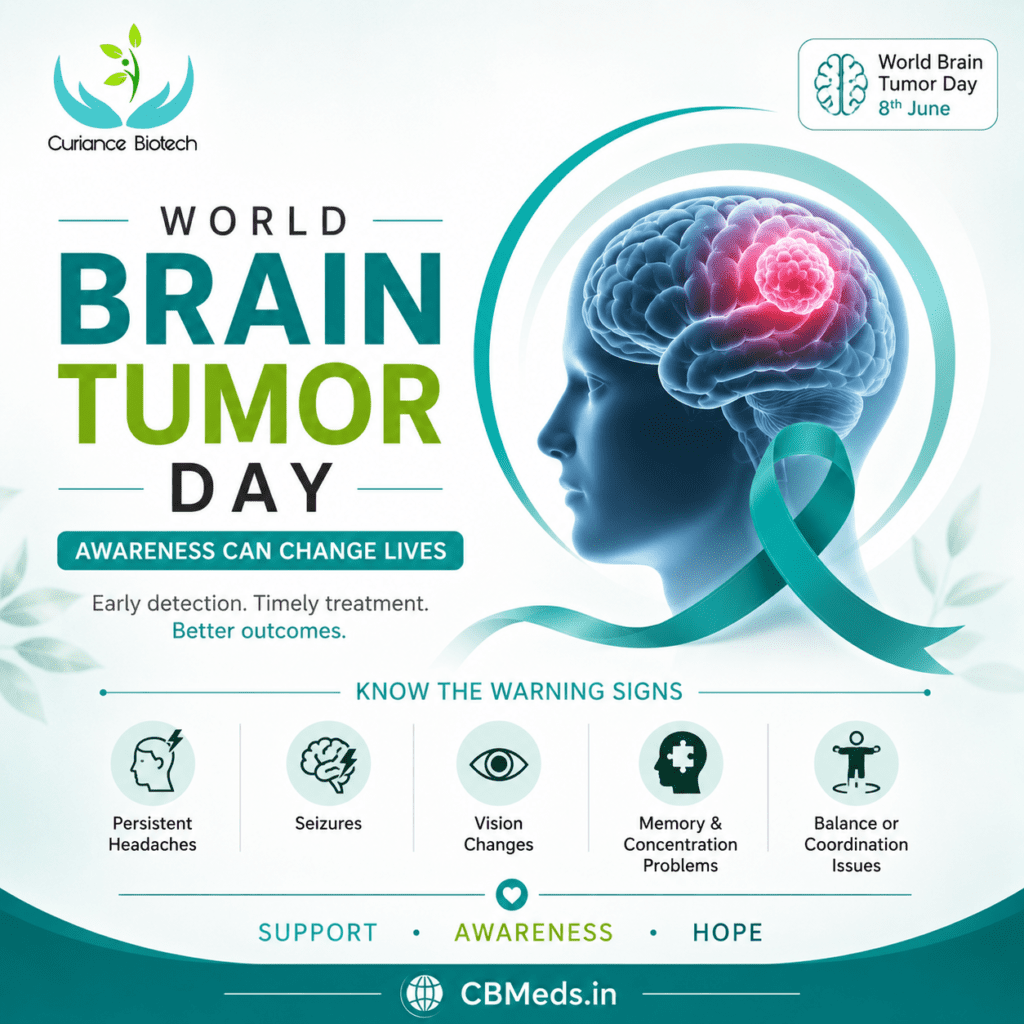
Every year, World Brain Tumor Day is observed to raise awareness about brain tumors, support patients and their families, and encourage early diagnosis and treatment. Brain tumors remain one of the most complex neurological conditions, affecting thousands of people worldwide regardless of age, gender, or background.
A brain tumor diagnosis can be overwhelming for patients and loved ones. However, advances in medical science, imaging technology, neurosurgery, radiation therapy, and targeted treatments have significantly improved survival rates and quality of life for many individuals.
World Brain Tumor Day serves as a reminder that awareness, education, and timely medical intervention can save lives. It also highlights the importance of supporting ongoing research aimed at finding more effective treatments and ultimately a cure.
What Is a Brain Tumor?
A brain tumor is an abnormal growth of cells within the brain or surrounding tissues. Tumors can develop directly in the brain or spread from cancers located elsewhere in the body.
Brain tumors are broadly classified into two categories:
Benign Brain Tumors
Benign tumors are non-cancerous and generally grow slowly. Although they do not spread to other parts of the body, they can still cause serious complications by pressing on critical areas of the brain.
Examples include:
- Meningiomas
- Pituitary adenomas
- Acoustic neuromas
Malignant Brain Tumors
Malignant tumors are cancerous and tend to grow more aggressively. They may invade nearby brain tissue and are often more difficult to treat.
Examples include:
- Glioblastoma
- Astrocytoma
- Medulloblastoma
Both benign and malignant tumors require medical evaluation because the brain is a highly sensitive and vital organ.
How Common Are Brain Tumors?
Brain tumors affect people of all ages, including children and older adults. While they are less common than many other cancers, they often have a significant impact on physical, emotional, and cognitive health.
According to global cancer statistics, hundreds of thousands of new cases of brain and central nervous system tumors are diagnosed each year. Continued awareness and research remain essential for improving patient outcomes.
Causes and Risk Factors
In many cases, the exact cause of a brain tumor is unknown. However, researchers have identified several factors that may increase risk.
Genetic Conditions
Certain inherited disorders are associated with a higher likelihood of developing brain tumors, including:
- Neurofibromatosis
- Li-Fraumeni syndrome
- Tuberous sclerosis
Radiation Exposure
Exposure to high-dose ionizing radiation is one of the most established environmental risk factors.
Family History
Although most brain tumors occur without a family history, having close relatives with certain cancers may increase risk.
Age
Some types of brain tumors are more common in children, while others occur primarily in adults and older individuals.
Common Symptoms of Brain Tumors
Symptoms vary depending on the tumor’s size, location, and growth rate.
Persistent Headaches
One of the most commonly reported symptoms is a headache that:
- Occurs frequently
- Worsens over time
- Is more severe in the morning
Seizures
A sudden seizure in someone with no prior history should always be medically evaluated.
Vision Problems
Tumors can affect vision by causing:
- Blurred vision
- Double vision
- Loss of peripheral vision
Speech Difficulties
Patients may experience:
- Trouble finding words
- Slurred speech
- Difficulty understanding language
Memory and Concentration Issues
Brain tumors can interfere with cognitive function, leading to:
- Forgetfulness
- Poor concentration
- Confusion
Balance and Coordination Problems
Some tumors affect areas responsible for movement and balance, resulting in:
- Dizziness
- Difficulty walking
- Frequent falls
Personality or Behaviour Changes
Changes in mood, judgment, or personality can sometimes be early signs of a brain tumor.
Why Early Diagnosis Matters
Early diagnosis can significantly improve treatment outcomes.
When a tumor is detected early:
- Treatment options may be broader
- Surgery may be more effective
- Symptoms can be managed sooner
- Long-term complications may be reduced
Anyone experiencing persistent neurological symptoms should seek medical evaluation promptly.
How Brain Tumors Are Diagnosed
Doctors use several tools to diagnose brain tumors accurately.
Neurological Examination
This assesses:
- Reflexes
- Muscle strength
- Vision
- Hearing
- Coordination
MRI Scans
Magnetic Resonance Imaging (MRI) is considered the gold standard for visualising brain tumors.
CT Scans
CT scans may be used when rapid imaging is needed.
Biopsy
A tissue sample may be collected to determine:
- Tumor type
- Grade
- Genetic characteristics
This information helps guide treatment decisions.
Treatment Options for Brain Tumors
Treatment depends on multiple factors, including tumor type, location, size, and overall patient health.
Surgery
Surgery is often the first treatment option when the tumor can be safely removed.
Goals include:
- Removing as much tumor tissue as possible
- Relieving pressure on the brain
- Improving symptoms
Radiation Therapy
Radiation uses high-energy beams to destroy tumor cells.
Modern techniques allow greater precision while reducing damage to healthy tissue.
Chemotherapy
Chemotherapy drugs help kill cancer cells or slow their growth.
Some medications can cross the blood-brain barrier and effectively target certain tumor types.
Targeted Therapy
Targeted therapies focus on specific molecular abnormalities within cancer cells.
These treatments may improve effectiveness while reducing side effects.
Immunotherapy
Researchers continue exploring immunotherapy approaches that help the immune system recognise and attack tumor cells.
Living with a Brain Tumor
A brain tumor diagnosis affects more than physical health.
Patients often face challenges related to:
- Emotional well-being
- Employment
- Education
- Relationships
- Daily activities
Support from healthcare teams, family members, and patient communities plays an essential role in improving quality of life.
The Role of Caregivers
Caregivers are often the backbone of patient support.
They may assist with:
- Medical appointments
- Medication management
- Emotional support
- Daily care activities
However, caregivers also need support to manage stress and avoid burnout.
World Brain Tumor Day recognises the invaluable contributions of caregivers worldwide.
Advances in Brain Tumor Research
Research is transforming how brain tumors are diagnosed and treated.
Scientists are currently investigating:
Precision Medicine
Genetic testing allows doctors to tailor treatments based on a tumor’s molecular profile.
Artificial Intelligence
AI is improving:
- Imaging analysis
- Tumor detection
- Treatment planning
Novel Drug Therapies
Researchers are developing new drugs that target cancer cells more effectively.
Improved Surgical Techniques
Modern technologies such as:
- Intraoperative MRI
- Brain mapping
- Robotic assistance
help surgeons remove tumors more safely and accurately.
Supporting Brain Tumor Awareness
Everyone can contribute to greater awareness.
Learn the Symptoms
Recognising warning signs can encourage earlier diagnosis.
Share Reliable Information
Educational campaigns help combat misinformation and improve public understanding.
Support Patients and Families
Simple acts of kindness and support can make a meaningful difference.
Advocate for Research
Continued funding and research are critical for developing better treatments and improving survival rates.
The Importance of Hope
A brain tumor diagnosis can be life-changing, but it is not a journey that patients face alone.
Advances in medicine continue to offer new hope through:
- Better treatments
- Improved survival rates
- Enhanced quality of life
- Ongoing clinical research
Thousands of patients around the world continue to inspire others through their resilience, courage, and determination.
Conclusion
World Brain Tumor Day is an important opportunity to raise awareness about brain tumors, promote early diagnosis, support patients and caregivers, and encourage continued research.
Brain tumors can affect anyone, but timely recognition of symptoms, access to quality healthcare, and advances in medical science are helping improve outcomes every year.
By spreading awareness, supporting research, and standing together with those affected, we can move closer to a future where brain tumors are detected earlier, treated more effectively, and ultimately defeated.
On this World Brain Tumor Day, let us honour patients, survivors, caregivers, researchers, and healthcare professionals who continue the fight against brain tumors every day.


