
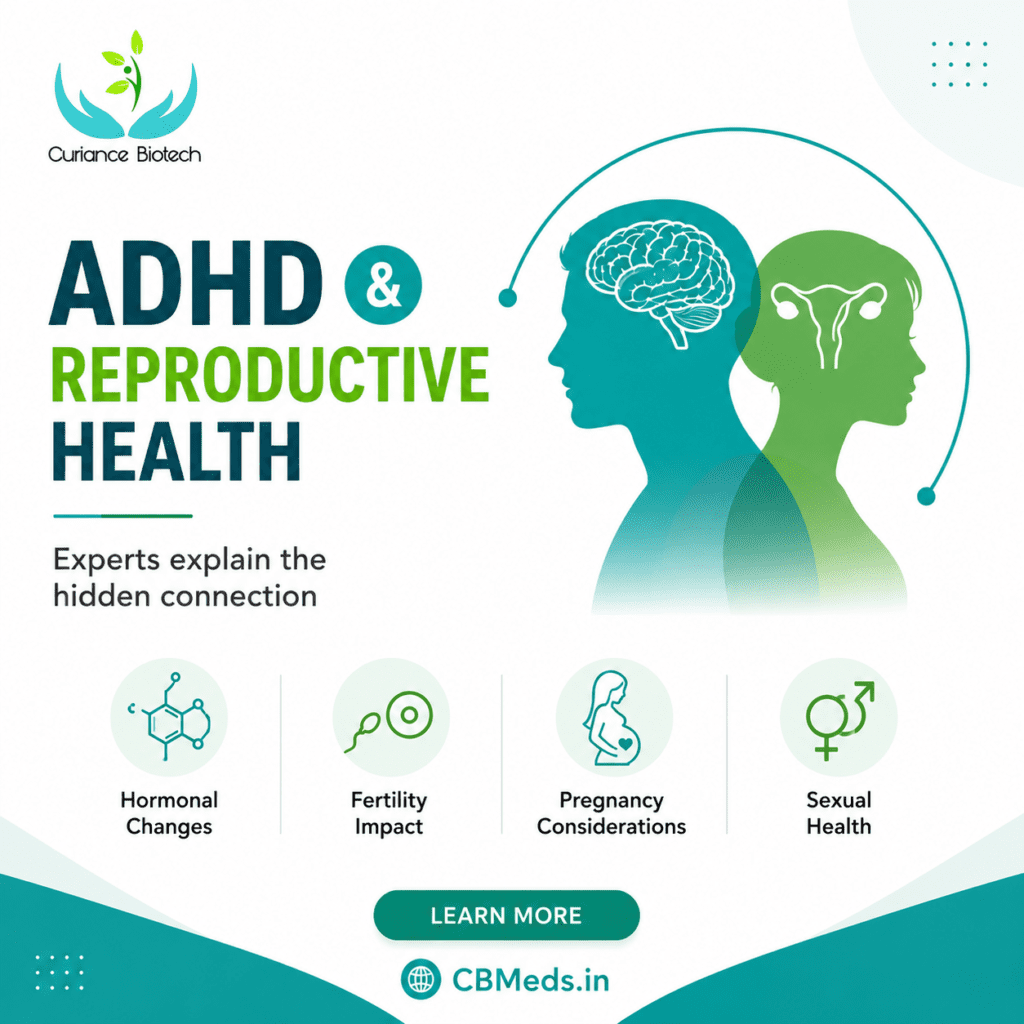
Attention-Deficit/Hyperactivity Disorder (ADHD) is commonly recognised as a neurodevelopmental condition that affects attention, impulsivity, and activity levels. While most discussions surrounding ADHD focus on academic performance, workplace productivity, and mental health, experts are increasingly highlighting another important area that deserves attention: reproductive health.
Emerging research suggests that ADHD can influence various aspects of reproductive health in both men and women. From hormonal fluctuations and menstrual irregularities to fertility concerns, pregnancy outcomes, and sexual health, the relationship between ADHD and reproductive well-being is more complex than previously understood.
Understanding this connection can help individuals with ADHD make informed healthcare decisions and seek appropriate support when needed.
What Is ADHD?
ADHD is a neurodevelopmental disorder characterised by persistent patterns of inattention, hyperactivity, and impulsivity that interfere with daily functioning.
Common symptoms include:
- Difficulty concentrating
- Forgetfulness
- Poor time management
- Restlessness
- Impulsive decision-making
- Difficulty organising tasks
- Challenges maintaining relationships
Although ADHD is often diagnosed during childhood, many individuals continue experiencing symptoms into adulthood.
Recent estimates indicate that millions of adults worldwide live with ADHD, making it one of the most common neurodevelopmental conditions.
The Brain-Hormone Connection
One reason ADHD may affect reproductive health lies in the interaction between brain chemistry and hormonal systems.
ADHD is associated with differences in neurotransmitters such as dopamine and norepinephrine. These chemicals influence not only attention and behaviour but also interact with hormones involved in reproductive function.
Hormones such as:
- Estrogen
- Progesterone
- Testosterone
- Luteinising hormone
- Follicle-stimulating hormone
can affect brain activity and ADHD symptoms.
Likewise, ADHD-related neurological changes may influence hormonal regulation, creating a two-way relationship between reproductive health and ADHD.
ADHD and Menstrual Health
Many women with ADHD report significant fluctuations in symptoms throughout their menstrual cycle.
Experts believe changing estrogen levels play a major role.
During Low Estrogen Phases
Women may experience:
- Increased inattentiveness
- Mood swings
- Irritability
- Reduced effectiveness of ADHD medications
- Fatigue
- Difficulty concentrating
These symptoms often become more noticeable before menstruation.
Menstrual Irregularities
Some studies suggest women with ADHD may be more likely to experience:
- Irregular menstrual cycles
- Severe premenstrual symptoms
- Premenstrual dysphoric disorder (PMDD)
- Painful periods
Although more research is needed, healthcare professionals increasingly recognise these patterns.
Impact on Sexual Health
ADHD can influence sexual health in multiple ways.
Impulsivity and Risk-Taking
One hallmark feature of ADHD is impulsivity. This may contribute to:
- Earlier sexual activity
- Inconsistent contraceptive use
- Increased risk of unintended pregnancies
- Greater likelihood of sexually transmitted infections
These outcomes are not inevitable but may occur more frequently when ADHD symptoms are unmanaged.
Relationship Challenges
ADHD can also affect intimate relationships through:
- Communication difficulties
- Emotional dysregulation
- Forgetfulness
- Reduced attention during interactions
These challenges may indirectly affect sexual satisfaction and relationship stability.
Variations in Sexual Desire
Research has shown that some adults with ADHD report:
- Higher sexual impulsivity
- Increased sexual risk-taking
- Fluctuating libido
However, experiences vary significantly among individuals.
Fertility and Family Planning
Experts are increasingly examining whether ADHD influences fertility and family planning decisions.
Medication Adherence
Individuals with ADHD may struggle with:
- Remembering fertility appointments
- Following treatment schedules
- Taking prescribed medications consistently
For couples undergoing fertility treatment, organisational challenges can sometimes complicate the process.
Lifestyle Factors
ADHD is often associated with behaviours that may affect reproductive health, including:
- Poor sleep habits
- Smoking
- Substance use
- Inconsistent nutrition
- Chronic stress
These factors can influence fertility outcomes in both men and women.
Decision-Making Difficulties
Impulsivity and executive function challenges may also affect:
- Contraceptive planning
- Pregnancy preparation
- Long-term family planning decisions
Healthcare providers can help individuals develop practical strategies to navigate these challenges.
ADHD and Pregnancy
Pregnancy introduces substantial hormonal changes, which can influence ADHD symptoms.
Many women report that their ADHD symptoms change during pregnancy, although experiences differ widely.
Potential Challenges During Pregnancy
Women with ADHD may face difficulties related to:
- Prenatal appointment management
- Medication decisions
- Maintaining healthy routines
- Managing stress
- Sleep disruptions
These challenges may increase the need for structured support systems.
ADHD Medication Considerations
One of the most common concerns during pregnancy involves ADHD medication use.
Patients should never stop or adjust medications without consulting healthcare professionals.
Doctors typically evaluate:
- Severity of ADHD symptoms
- Potential medication risks
- Maternal health needs
- Pregnancy-related considerations
Treatment decisions are highly individualised.
Mental Health During Pregnancy
Women with ADHD may also face elevated risks for:
- Anxiety
- Depression
- Emotional stress
Proper monitoring and support can improve both maternal and infant outcomes.
Postpartum Challenges
The postpartum period can be especially demanding for individuals with ADHD.
New parents often experience:
- Sleep deprivation
- Increased responsibilities
- Emotional changes
- Scheduling challenges
For someone already managing ADHD symptoms, these demands may feel overwhelming.
Increased Risk of Postpartum Mental Health Issues
Some studies suggest women with ADHD may have a higher likelihood of:
- Postpartum depression
- Anxiety disorders
- Emotional exhaustion
Early intervention and professional support can significantly improve outcomes.
ADHD and Reproductive Health in Men
Although discussions often focus on women, ADHD can also affect reproductive health in men.
Lifestyle Factors
Men with ADHD may be more likely to experience:
- Smoking
- Poor dietary habits
- Inconsistent exercise
- Substance use
These behaviours can influence reproductive health and fertility.
Relationship Dynamics
Attention difficulties and impulsivity can impact:
- Relationship satisfaction
- Communication
- Parenting preparation
Addressing ADHD symptoms may improve both personal well-being and family relationships.
Fertility Considerations
Some experts suggest that lifestyle patterns associated with ADHD may indirectly affect male fertility, although further research is needed.
The Role of Hormonal Transitions
Hormonal transitions throughout life can significantly influence ADHD symptoms.
Puberty
Many individuals notice symptom changes during adolescence due to hormonal shifts.
Pregnancy
Major hormonal fluctuations during pregnancy can affect focus, mood, and ADHD symptom severity.
Perimenopause and Menopause
Women with ADHD frequently report worsening symptoms during perimenopause and menopause.
Declining estrogen levels may contribute to:
- Brain fog
- Memory problems
- Mood changes
- Reduced concentration
Understanding these changes can help women seek appropriate treatment and support.
Why Awareness Matters
For years, reproductive health and ADHD were often treated as separate issues.
Today, experts increasingly recognise that the two are interconnected.
Greater awareness can help:
- Improve diagnosis
- Enhance treatment planning
- Reduce stigma
- Support informed reproductive decisions
- Improve overall quality of life
Patients who understand the connection are better equipped to advocate for their healthcare needs.
Practical Tips for Managing ADHD and Reproductive Health
Individuals with ADHD can benefit from proactive health management strategies.
Stay Organised
Use:
- Digital calendars
- Medication reminders
- Health tracking apps
- Appointment alerts
Build a Healthcare Team
Consider working with:
- Primary care physicians
- Psychiatrists
- Gynaecologists
- Fertility specialists
- Mental health professionals
Prioritise Healthy Habits
Focus on:
- Regular exercise
- Balanced nutrition
- Adequate sleep
- Stress management
Communicate Openly
Discuss concerns regarding:
- Fertility
- Pregnancy
- Contraception
- Sexual health
- Medication management
with healthcare providers.
Looking Ahead
Research into ADHD and reproductive health continues to grow. Scientists are working to better understand how hormones, brain chemistry, fertility, pregnancy, and sexual health interact in people living with ADHD.
While many questions remain unanswered, one message is becoming increasingly clear: ADHD affects more than attention and behaviour. It can influence multiple aspects of physical and reproductive health throughout life.
Recognising this connection empowers individuals to seek appropriate care, make informed decisions, and improve overall well-being.
As awareness grows among healthcare professionals and the public, more people with ADHD can receive the comprehensive support they need to thrive at every stage of life.
Conclusion
ADHD is a complex condition that extends beyond concentration difficulties and hyperactivity. Experts now recognise that reproductive health may also be affected through hormonal interactions, fertility considerations, pregnancy challenges, sexual health impacts, and life-stage transitions.
Understanding these links allows individuals, families, and healthcare providers to take a more holistic approach to care. With proper support, education, and medical guidance, people with ADHD can successfully manage both their neurological and reproductive health, leading to healthier and more fulfilling lives.


