
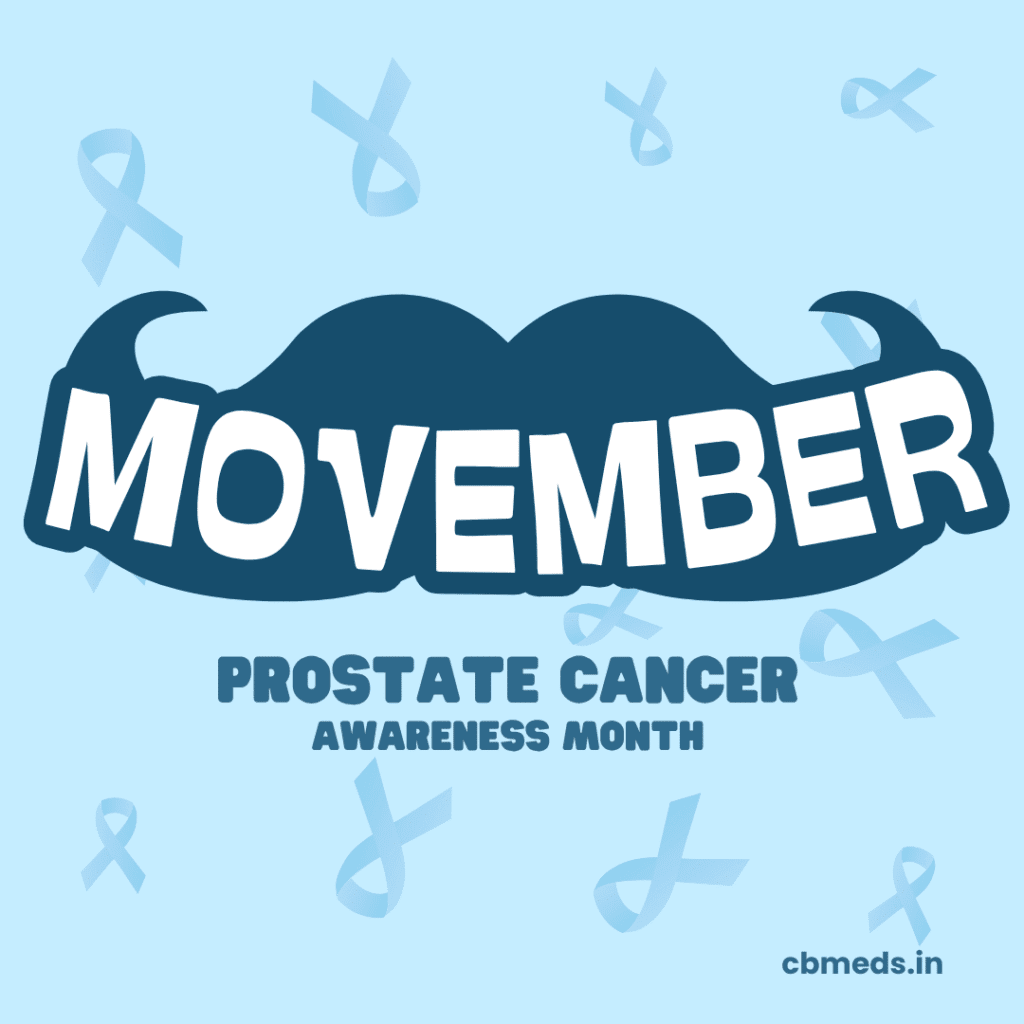
Every November, a wave of moustaches takes over faces around the world — not for fashion, but for a mission. This annual movement, known as Movember, is about starting conversations, raising funds, and saving lives. It shines a light on men’s health issues, particularly prostate cancer, testicular cancer, and mental health — topics that too often remain unspoken.
What started as a playful idea among a few friends in Melbourne, Australia, in 2003 has become one of the most powerful health awareness campaigns in modern history. Today, Movember is recognised in more than 20 countries and has inspired millions to take charge of their health.
🌍 The Story Behind Movember
The name “Movember” comes from combining “Moustache” and “November.” In the early 2000s, a group of friends decided to bring back the moustache trend to raise awareness for men’s health — a cause often overlooked compared to women’s health campaigns. Their goal was simple yet bold: to get men talking about their bodies, their feelings, and their need for regular health check-ups.
The idea caught on quickly. By growing moustaches, men made their commitment visible. Each moustache became a conversation starter — a reminder that men need to prioritise their health just as much as anyone else. What began as a small challenge soon turned into the Movember Foundation, now a global charity that has funded over 1,250 men’s health projects across the world.
🩺 Why Focus on Prostate Cancer?
Prostate cancer is one of the most common cancers in men, yet it often receives far less attention than it deserves. The prostate is a small gland located below the bladder that helps produce semen. When cancer cells begin to grow uncontrollably in this gland, it leads to prostate cancer.
📊 Global Impact
- Every year, over 1.4 million new cases of prostate cancer are diagnosed globally.
- In the UK, prostate cancer has become the most commonly diagnosed cancer.
- In India, awareness is growing, but many men still get diagnosed late due to lack of screening.
- In the US, more than 30,000 men die each year from the disease — deaths that could be reduced through early detection.
⚠️ Risk Factors
Prostate cancer is influenced by several factors:
- Age – Most cases occur in men over 50.
- Family History – Having a father or brother with prostate cancer doubles the risk.
- Ethnicity – Men of African or Caribbean descent are more prone to developing the disease.
- Diet and Lifestyle – High-fat diets, obesity, and lack of exercise may increase risk.
🧠 Symptoms to Watch For
Many men don’t experience early symptoms, which is why screening is crucial. Common signs include:
- Frequent urination, especially at night
- Difficulty starting or stopping urination
- Weak or interrupted urine flow
- Blood in urine or semen
- Pain in the back, hips, or pelvis
These symptoms don’t always mean cancer, but they should never be ignored.
🔬 The Power of Early Detection
Early detection saves lives — that’s the central message of Movember. The five-year survival rate for prostate cancer detected early is over 90%, compared to much lower rates when diagnosed at a late stage.
Key Screening Methods
- PSA Test (Prostate-Specific Antigen):
A simple blood test that measures PSA levels — high levels can indicate prostate issues. - Digital Rectal Exam (DRE):
A physical exam that allows doctors to feel for abnormalities in the prostate. - Imaging and Biopsy:
MRI or ultrasound followed by biopsy if needed to confirm diagnosis.
The goal of Movember is not just to encourage testing, but to make men comfortable discussing it. Talking to a doctor, understanding risk, and scheduling regular check-ups are all signs of strength — not weakness.
🧍♂️ Living Beyond Diagnosis
A prostate cancer diagnosis can be overwhelming, but treatment advances mean survival and quality of life are improving every year. Common treatments include:
- Surgery (Prostatectomy) — removing the cancerous gland.
- Radiation Therapy — targeting cancer cells with precision.
- Hormone Therapy — lowering testosterone levels to slow cancer growth.
- Chemotherapy and Targeted Therapy — used in advanced cases.
Equally important is emotional recovery. Movember advocates for holistic care — encouraging patients to seek mental health support, connect with survivor groups, and maintain a balanced lifestyle through diet, exercise, and mindfulness.
🧠 Men’s Mental Health — The Silent Crisis
While prostate cancer is a major focus, Movember also addresses an equally serious issue — men’s mental health.
Men are often taught to be “strong” and to suppress emotions. This cultural conditioning leads to silence, isolation, and higher suicide rates. According to global studies, men account for nearly 75% of all suicides, yet they are far less likely to seek help.
Movember campaigns aim to normalise conversations about anxiety, depression, and emotional struggles. It reminds us that talking openly and asking for help are signs of courage, not weakness. The message is clear: it’s okay not to be okay.
💪 How to Get Involved in Movember
Movember is more than growing a moustache — it’s a movement of action. Here are ways anyone can participate:
- Grow a Mo:
The classic way — grow a moustache throughout November and use it as a conversation starter. - Move for Movember:
Run or walk 60 km during the month — representing the 60 men lost to suicide every hour worldwide. - Host an Event:
Organise a fundraiser or awareness event in your community or workplace. - Donate or Volunteer:
Support research and projects through donations to the Movember Foundation or local men’s health charities. - Share Online:
Use hashtags like #Movember, #MensHealth, and #ProstateCancerAwareness to spread the message.
🥗 Healthy Habits for Prevention
While not all cancers are preventable, adopting healthy lifestyle habits can lower risk and improve overall well-being.
- Eat a balanced diet: Include tomatoes, green vegetables, nuts, and whole grains.
- Exercise regularly: Aim for at least 30 minutes of activity daily.
- Maintain a healthy weight: Obesity increases cancer and heart disease risks.
- Avoid smoking and limit alcohol.
- Get regular medical check-ups — especially after 40.
These small steps can make a huge difference.
💙 The Spirit of Movember — A Global Brotherhood
What makes Movember powerful is its sense of community. It’s not just about awareness — it’s about connection. Across the world, thousands of people participate together: from office teams competing in moustache challenges to celebrities and athletes championing the cause.
Movember has funded groundbreaking research, improved diagnostic tools, and created networks that connect survivors and families. But beyond statistics, it’s about changing mindsets — reminding men to look after themselves and each other.
Each moustache grown is a symbol of solidarity. Each donation funds real progress. Each conversation saves lives.
🕊️ Conclusion — Real Men Talk, Check, and Care
Movember is more than a campaign; it’s a cultural shift. It challenges the outdated idea that men should suffer in silence. It celebrates vulnerability as a strength. And most importantly, it saves lives through awareness, action, and open dialogue.
As another November rolls in, take a moment to check in — with yourself and the men around you. Grow a moustache, book a screening, or simply start a conversation. Because every step, no matter how small, moves us closer to a world where men live longer, healthier, and happier lives.
Grow a Mo. Save a Bro. 💙


