
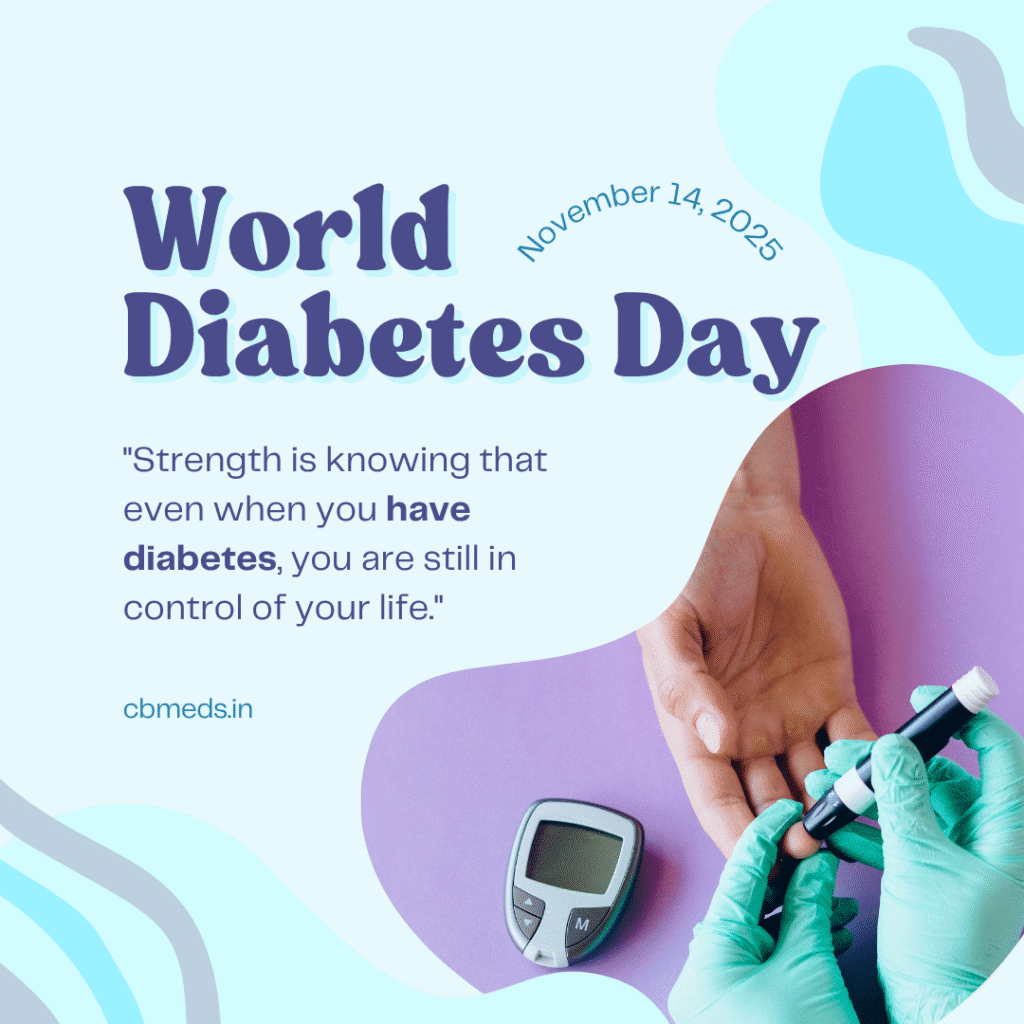
World Diabetes Day, observed every year on 14 November, is the largest global awareness campaign dedicated to diabetes. It unites millions of people across the world to raise awareness, advocate for better care, and promote healthier living. As the number of people affected by diabetes continues to rise at an alarming pace, the need for awareness has never been more urgent.
World Diabetes Day 2025 focuses on the theme:
“Empowering Prevention Through Awareness.”
This theme emphasises the critical role of education, early detection, and lifestyle choices in reducing the burden of diabetes worldwide.
🔷 Understanding Diabetes: A Growing Global Challenge
Diabetes is a chronic condition that occurs when the body is unable to regulate blood sugar levels effectively. This happens due to either the inability of the pancreas to produce insulin (Type 1 Diabetes) or the body’s inability to use insulin properly (Type 2 Diabetes).
While Type 1 Diabetes is largely genetic and unavoidable, Type 2 Diabetes — which accounts for nearly 90% of all cases — is mostly preventable.
And this is what makes awareness so powerful.
Rising Numbers Around the World
According to global health estimates:
- Over 560 million people worldwide are currently living with diabetes.
- By 2045, this number is expected to reach 780 million.
- Nearly half of those with diabetes remain undiagnosed, making early detection a major challenge.
- Diabetes is now among the top 10 causes of death globally.
These numbers highlight the scale of the crisis but also reveal an important truth: the majority of diabetes cases are preventable with timely lifestyle interventions.
🔷 Why World Diabetes Day Matters
Many people still believe diabetes is mainly a “sugar problem” caused only by eating sweets. But the truth is far more complex.
World Diabetes Day aims to:
✔ Educate people about real risk factors
such as obesity, inactivity, poor diet, genetics, age, hormonal issues, and chronic stress.
✔ Encourage early diagnosis
because catching diabetes early prevents complications such as heart disease, kidney failure, eye damage, nerve damage, and stroke.
✔ Promote healthier lifestyles
that reduce the risk of developing diabetes in the first place.
✔ Support people living with diabetes
with better access to medicines, insulin, and regular monitoring.
🔷 Symptoms of Diabetes That Should Not Be Ignored
Diabetes often develops silently. Many people live with it for years without realising it. Recognizing the early warning signs is essential:
- Increased thirst
- Frequent urination
- Unexplained fatigue
- Sudden weight loss or weight gain
- Blurred vision
- Slow-healing cuts or wounds
- Frequent infections
- Tingling or numbness in hands or feet
If you or someone you know experiences these symptoms, a simple blood test can provide clarity.
🔷 The Role of Early Detection
Detecting diabetes early is the most effective way to prevent complications. A basic fasting blood sugar test, HbA1c test, or postprandial blood sugar test can identify the condition.
The benefits of early detection include:
- Preventing organ damage
- Avoiding severe complications
- Reducing long-term healthcare costs
- Better quality of life
- Effective lifestyle management from day one
Many countries are now launching free screening camps, particularly around World Diabetes Day, to help people know their sugar levels and take timely action.
🔷 Risk Factors You Should Know
Various lifestyle and environmental factors dramatically increase the risk of diabetes. Understanding these can help individuals make informed choices.
Major risk factors include:
- Family history of diabetes
- Excess weight, especially around the abdomen
- Physical inactivity
- Unhealthy eating habits
- High blood pressure
- High cholesterol
- Stress and poor sleep
- Aging (risk increases after 40)
- PCOS in women
- Gestational diabetes during pregnancy
People with multiple risk factors should undergo regular blood sugar screening.
🔷 Diabetes and Lifestyle: Prevention Is Possible
The greatest message of World Diabetes Day 2025 is this:
Most Type 2 Diabetes cases can be prevented.
Small, consistent lifestyle changes can dramatically reduce the risk.
1. Healthy Eating Habits
A nutritious, balanced diet is the foundation of diabetes prevention.
- Eat more whole grains, fruits, vegetables, and high-fibre foods
- Reduce intake of sugar, refined foods, white bread, pastries, and soft drinks
- Include lean proteins like fish, eggs, and legumes
- Choose healthy fats from nuts, seeds, and olive oil
- Practice portion control
- Avoid overeating late at night
2. Exercise Regularly
Daily physical activity keeps blood sugar levels stable and prevents weight gain.
- Walk at least 30 minutes a day
- Try activities like yoga, cycling, swimming, or sports
- Use stairs instead of lifts
- Reduce sitting time with short activity breaks
Regular exercise improves heart health, reduces weight, and enhances insulin sensitivity.
3. Maintain a Healthy Weight
Even losing 5–7% of body weight significantly reduces the risk of Type 2 Diabetes.
4. Manage Stress
Chronic stress releases hormones that increase sugar levels.
Practices like meditation, deep breathing, and hobbies can help manage stress effectively.
5. Sleep Well
Inadequate sleep disturbs hormones related to hunger and insulin, increasing risk.
Aim for 7–8 hours of uninterrupted sleep every night.
🔷 Living Well With Diabetes
For those already diagnosed, diabetes is not the end of a healthy life. With proper care, medication, and lifestyle moderation, individuals can live long, active, and fulfilling lives.
Key tips for diabetics:
- Monitor blood sugar regularly
- Take prescribed medication or insulin on time
- Follow a diabetic-friendly diet
- Stay physically active
- Keep regular appointments with your doctor
- Monitor feet, eyes, and kidney health
Support from family, community, and healthcare providers plays a vital role in long-term management.
🔷 The Global Responsibility: What Governments and Communities Can Do
Diabetes is not just a personal issue — it’s a public health challenge.
World Diabetes Day encourages governments and organisations to:
- Implement diabetes screening programmes
- Improve access to affordable insulin
- Provide education and counselling
- Promote healthier food choices in schools and workplaces
- Improve urban spaces to encourage physical activity
Communities can also support by organising awareness camps, fundraising events, wellness programs, and health drives.
🔷 The Symbol of Hope: The Blue Circle
The blue circle, the official symbol of World Diabetes Day, represents:
- Solidarity
- Unity
- Global collaboration
- Hope for a healthier future
Wearing blue, lighting up buildings, and participating in awareness events help spread the message further.
🔷 Conclusion: Your Health Is in Your Hands
World Diabetes Day 2025 is more than a health observance — it is a powerful reminder that awareness and early action can save lives.
Diabetes is preventable, manageable, and controllable.
With the right knowledge, routine screening, and healthy habits, every individual can protect themselves and their loved ones.
Let this day inspire you to:
- Check your blood sugar
- Make healthier food choices
- Stay active
- Reduce stress
- Spread awareness
A healthier world starts with the choices we make today.
On this World Diabetes Day, let’s take the first step together — towards empowerment, awareness, and prevention.


