
Hepatitis A is a viral infection that primarily affects the liver. While it is often less talked about than other forms of hepatitis, it remains a significant public health concern—especially in regions with limited access to clean water and sanitation. The good news is that Hepatitis A is both preventable and, in most cases, completely curable with proper care and rest.
This article explores Hepatitis A in detail, including how it spreads, who is at risk, its symptoms, diagnosis, treatment, and most importantly, how it can be prevented.
What Is Hepatitis A?
Hepatitis A is caused by the Hepatitis A virus (HAV), which leads to inflammation of the liver. Unlike Hepatitis B or C, Hepatitis A does not cause chronic liver disease. The infection is usually short-term, and most people recover fully without long-lasting liver damage.
However, in rare cases—especially among older adults or people with existing liver disease—Hepatitis A can cause severe illness and even liver failure.
How Does Hepatitis A Spread?
Hepatitis A spreads mainly through the faecal–oral route, meaning the virus enters the body through the mouth after contact with contaminated food, water, or surfaces.
Common modes of transmission include:
- Drinking contaminated water
- Eating food prepared by someone infected who did not wash hands properly
- Consuming raw or undercooked shellfish from polluted water
- Close personal contact with an infected person
- Poor sanitation and hygiene conditions
Outbreaks are more common in areas with overcrowding, inadequate sewage disposal, and unsafe drinking water.
Who Is at Risk?
Anyone can get Hepatitis A, but certain groups are at higher risk:
- People living in or travelling to areas with poor sanitation
- Children (often asymptomatic but contagious)
- Food handlers
- Healthcare workers exposed to infected individuals
- People with chronic liver disease
- Individuals who do not have access to clean drinking water
Symptoms of Hepatitis A
Symptoms usually appear 2 to 6 weeks after exposure. Some people—especially young children—may not show any symptoms at all, yet they can still spread the virus.
Common symptoms include:
- Fever
- Fatigue and weakness
- Loss of appetite
- Nausea and vomiting
- Abdominal pain (especially on the right side)
- Dark-coloured urine
- Pale or clay-coloured stools
- Jaundice (yellowing of skin and eyes)
Symptoms can range from mild to severe and usually last a few weeks, though some adults may feel unwell for several months.
How Is Hepatitis A Diagnosed?
Hepatitis A is diagnosed through blood tests that detect antibodies specific to the virus. These tests can confirm whether the infection is recent or occurred in the past.
Doctors may also recommend liver function tests to assess how well the liver is working and to monitor recovery.
Treatment and Recovery
There is no specific antiviral treatment for Hepatitis A. Management focuses on supportive care and allowing the body to heal naturally.
Recommended care includes:
- Adequate rest
- Plenty of fluids to prevent dehydration
- Eating small, nutritious meals
- Avoiding alcohol completely
- Avoiding unnecessary medications that strain the liver
Most people recover fully within a few weeks to months and develop lifelong immunity after infection.
Possible Complications
Although rare, complications can occur, especially in older adults or those with existing liver conditions. These may include:
- Prolonged cholestatic hepatitis (persistent jaundice and itching)
- Acute liver failure (very rare but serious)
Early medical attention significantly reduces the risk of complications.
Prevention: How to Protect Yourself
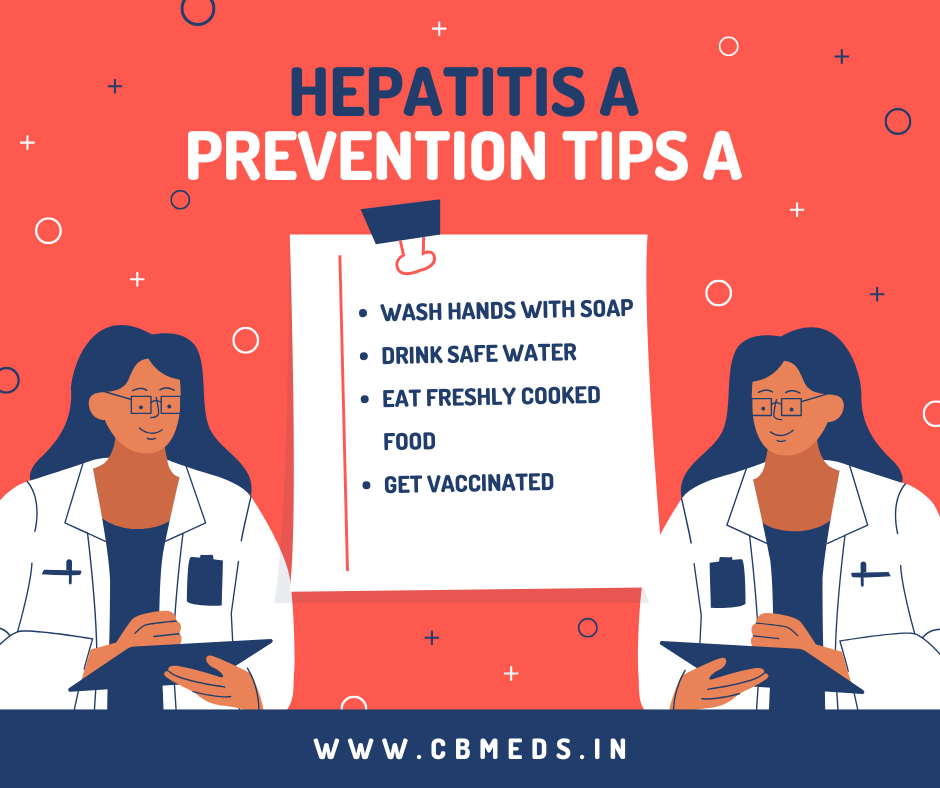
Prevention is the most powerful tool against Hepatitis A. Key preventive measures include:
1. Vaccination
The Hepatitis A vaccine is safe and highly effective. It is usually given in two doses and provides long-term protection.
Vaccination is strongly recommended for:
- Children
- Travellers to high-risk areas
- People with chronic liver disease
- Food industry workers
2. Good Hygiene Practices
- Wash hands thoroughly with soap and water, especially after using the toilet and before eating
- Use safe, treated drinking water
- Avoid ice or uncooked foods in areas with poor sanitation
3. Safe Food Habits
- Eat freshly cooked food
- Avoid raw seafood
- Peel fruits yourself before eating
Living After Recovery
Once you recover from Hepatitis A, you develop lifelong immunity, meaning you won’t get infected again. Most people return to normal life without any long-term health issues.
However, maintaining liver-friendly habits—such as limiting alcohol and eating a balanced diet—helps overall liver health.
Final Thoughts
Hepatitis A is a reminder that simple things—clean water, proper sanitation, handwashing, and vaccination—can save lives. While the infection is usually self-limiting, awareness and prevention are essential to reduce outbreaks and protect vulnerable populations.
By staying informed and adopting healthy habits, Hepatitis A can be effectively controlled and, in many cases, completely prevented.
Your liver works tirelessly for you—protect it with knowledge and prevention.


