
Introduction
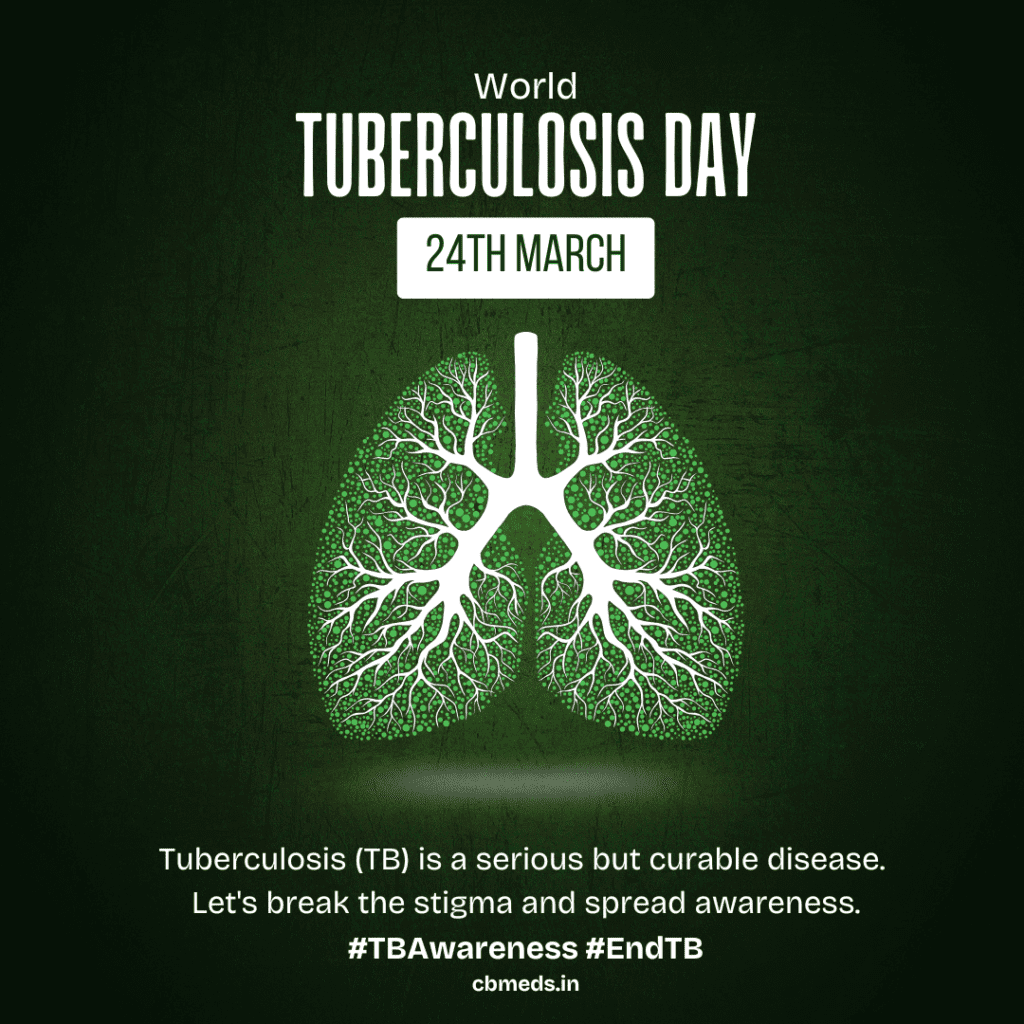
Every year on March 24th, the world comes together to observe World Tuberculosis Day, a day dedicated to raising awareness about one of the deadliest infectious diseases globally — tuberculosis (TB). Despite being preventable and curable, TB continues to affect millions of people each year, especially in developing countries like India.
This day marks the discovery of the bacterium Mycobacterium tuberculosis by Dr Robert Koch in 1882, which laid the foundation for diagnosing and treating TB. Today, World TB Day serves as a reminder that while we have made significant progress, the fight against TB is far from over.
What is Tuberculosis?
Tuberculosis is an infectious disease that primarily affects the lungs but can also impact other parts of the body such as the brain, kidneys, and spine. It spreads through the air when a person with active TB coughs, sneezes, or speaks.
TB is often misunderstood as a disease of the past, but the reality is quite different. According to global health reports, millions of new cases are reported every year, making it a major public health concern.
How Does TB Spread?
TB spreads from person to person through airborne particles. When someone with active pulmonary TB releases bacteria into the air, others nearby can inhale these bacteria and become infected.
However, not everyone who is infected develops active TB disease. Many people have latent TB, meaning the bacteria remain inactive in the body and do not cause symptoms. But if the immune system weakens, latent TB can turn into active TB.
Symptoms of Tuberculosis
Recognising TB symptoms early is crucial for timely treatment. Common symptoms include:
- Persistent cough lasting more than 2–3 weeks
- Chest pain
- Coughing up blood or sputum
- Unexplained weight loss
- Fever and night sweats
- Fatigue and weakness
These symptoms are often ignored or mistaken for common illnesses, which leads to delayed diagnosis and further spread of the disease.
Why TB is Still a Major Problem in India
India carries one of the highest burdens of TB cases in the world. Several factors contribute to this:
- Population density – Overcrowded living conditions increase transmission.
- Limited awareness – Many people do not recognise early symptoms.
- Social stigma – Fear of discrimination prevents people from seeking help.
- Malnutrition – Weak immune systems make individuals more vulnerable.
- Co-existing conditions – Diseases like HIV and diabetes increase TB risk.
The Government of India has set an ambitious goal to eliminate TB, but achieving this requires collective effort from individuals, healthcare providers, and communities.
Diagnosis and Treatment
The good news is that TB is both diagnosable and curable. Early detection plays a critical role in successful treatment.
Diagnosis Methods:
- Sputum tests
- Chest X-rays
- Molecular tests (like CBNAAT)
Treatment:
TB treatment involves a combination of antibiotics taken over a period of 6–9 months. It is crucial to complete the full course of treatment, even if symptoms disappear early.
Incomplete treatment can lead to drug-resistant TB, which is much harder and more expensive to treat.
Drug-Resistant TB: A Growing Concern
One of the biggest challenges in TB control today is the rise of multi-drug resistant TB (MDR-TB). This occurs when TB bacteria become resistant to standard drugs due to improper or incomplete treatment.
MDR-TB requires longer treatment durations, more expensive medications, and has lower success rates. This makes awareness and adherence to treatment more important than ever.
The Role of Awareness and Education
Awareness is one of the most powerful tools in fighting TB. Many people delay seeking treatment because they do not recognise symptoms or fear social judgement.
Educational campaigns can help:
- Promote early diagnosis
- Reduce stigma
- Encourage treatment adherence
- Spread accurate information
World TB Day plays a crucial role in amplifying these messages and mobilising communities.
Breaking the Stigma Around TB
Stigma remains a major barrier in TB control. Many patients face social isolation, discrimination, and even loss of employment due to their condition.
This stigma discourages people from getting tested or continuing treatment. It is important to understand that TB is a medical condition — not a reflection of someone’s lifestyle or character.
Creating a supportive environment where patients feel safe to seek help is essential in eliminating TB.
Prevention of Tuberculosis
Preventing TB involves a combination of medical and lifestyle measures:
- Vaccination (BCG vaccine) in children
- Early detection and treatment
- Good ventilation in living spaces
- Proper nutrition to strengthen immunity
- Wearing masks in high-risk environments
Simple steps can significantly reduce the spread of TB.
Government Initiatives in India
India has launched several initiatives under the National Tuberculosis Elimination Programme (NTEP) to combat TB. These include:
- Free diagnosis and treatment
- Nutritional support for TB patients
- Active case finding campaigns
- Digital tracking systems for treatment adherence
The goal is to eliminate TB in India by 2025, which is ahead of the global target set by the World Health Organization.
The Role of Individuals and Communities
Eliminating TB is not just the responsibility of governments and healthcare systems. Individuals and communities also play a crucial role.
You can contribute by:
- Spreading awareness
- Encouraging people to get tested
- Supporting TB patients emotionally
- Avoiding misinformation
Every small action counts in the fight against TB.
The Global Perspective
TB remains one of the top infectious killers worldwide, surpassing diseases like HIV/AIDS in some years. Global efforts such as the End TB Strategy aim to reduce TB deaths by 90% by 2030.
However, achieving this goal requires sustained commitment, funding, and innovation.
Innovations in TB Care
Recent advancements in TB diagnosis and treatment are promising:
- Faster molecular diagnostic tests
- Shorter treatment regimens
- New drugs for resistant TB
- Digital adherence technologies
These innovations bring hope for a future where TB is no longer a global threat.
Why World Tuberculosis Day Matters
World TB Day is not just a symbolic observance — it is a call to action. It reminds us that:
- TB is still a global health emergency
- Millions of lives are at risk
- Awareness can save lives
- Collective action is necessary
It is a day to renew our commitment to ending TB once and for all.
Conclusion
Tuberculosis is a serious but curable disease. The key lies in awareness, early diagnosis, proper treatment, and breaking the stigma associated with it.
This World Tuberculosis Day, let us pledge to:
- Educate ourselves and others
- Support those affected
- Promote timely treatment
- Work towards a TB-free future
Ending TB is possible — but only if we act together.


