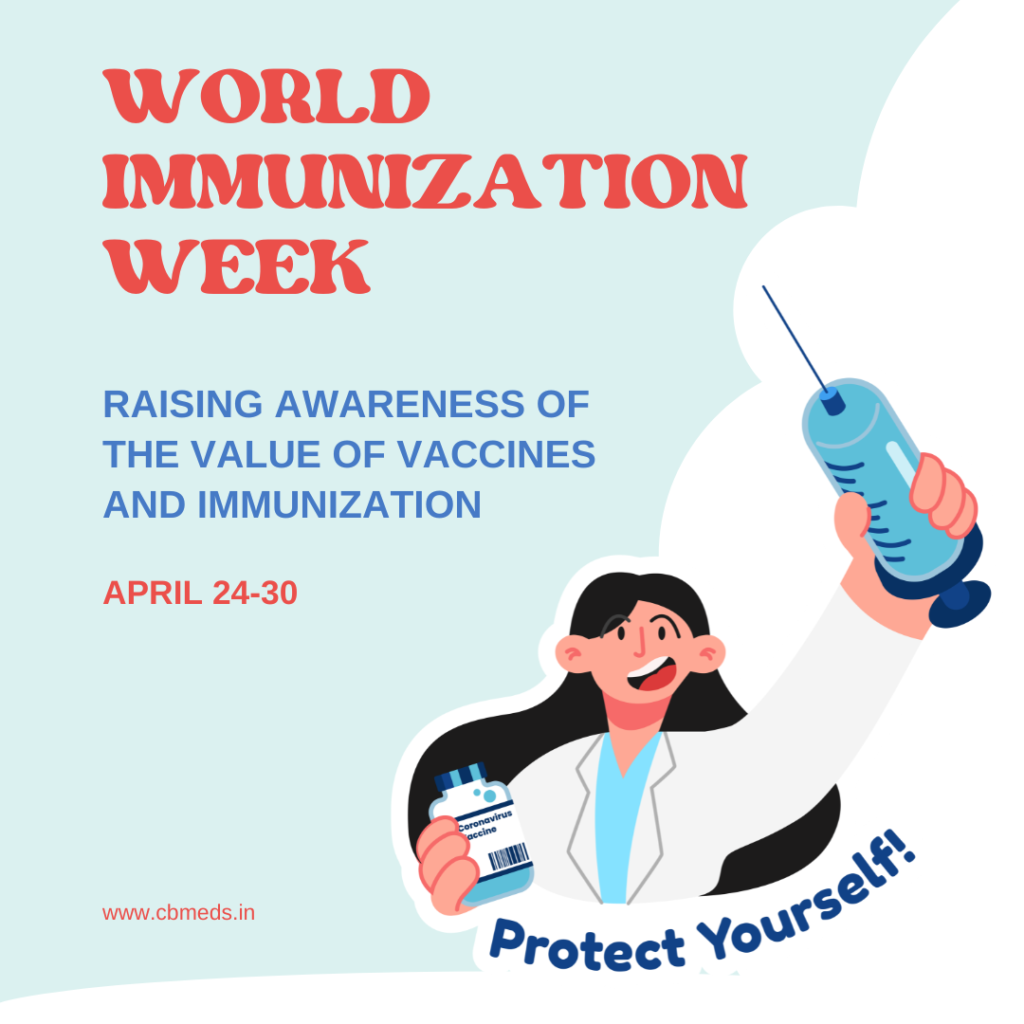
Every year, the last week of April is observed as World Immunization Week 2026, a global health campaign aimed at raising awareness about the importance of vaccines in protecting people of all ages from preventable diseases. Organized by the World Health Organization, this initiative highlights how immunization remains one of the most successful and cost-effective public health interventions in history.
In 2026, the significance of immunization is even more pronounced. As the world continues to recover from global health crises and combat emerging diseases, vaccines play a critical role in safeguarding individuals, families, and communities.
🌍 The Importance of Immunization
Immunization is the process of making a person immune or resistant to an infectious disease, typically by administering a vaccine. Vaccines stimulate the body’s immune system to recognize and fight pathogens such as bacteria and viruses.
According to the World Health Organization, vaccines prevent between 3.5 to 5 million deaths each year from diseases like measles, diphtheria, tetanus, influenza, and whooping cough. These numbers alone highlight the life-saving power of vaccines.
Without immunization, diseases that are now rare could quickly resurface, leading to outbreaks and increased mortality rates. Immunization not only protects individuals but also contributes to herd immunity, which protects those who cannot be vaccinated due to medical reasons.
💉 How Vaccines Work
Vaccines work by mimicking an infection, allowing the immune system to build defenses without causing the disease itself. When a vaccine is administered, it introduces a harmless component of a pathogen into the body.
This triggers the immune system to:
- Recognize the invading organism
- Produce antibodies
- Remember the pathogen for future defense
If the vaccinated individual is later exposed to the actual disease, their immune system can respond quickly and effectively, preventing illness or reducing its severity.
🧬 Types of Vaccines
There are several types of vaccines, each designed using different methods:
1. Live Attenuated Vaccines
These vaccines use a weakened form of the virus or bacteria. Examples include measles, mumps, and rubella vaccines.
2. Inactivated Vaccines
These contain killed pathogens and are safer for people with weakened immune systems. An example is the polio vaccine.
3. Subunit, Recombinant, and Conjugate Vaccines
These include only parts of the pathogen, such as proteins or sugars.
4. mRNA Vaccines
A newer type, widely used during the COVID-19 pandemic, these vaccines teach cells to produce a protein that triggers an immune response.
🧒 Immunization Across Life Stages
Immunization is not just for children—it is essential throughout life.
👶 Infants and Children
Early childhood vaccines protect against diseases such as measles, polio, hepatitis B, and tuberculosis. These are critical because young children are more vulnerable to infections.
🧑 Adolescents
Vaccines like HPV (Human Papillomavirus) help prevent certain cancers later in life.
👩 Adults
Adults require booster shots to maintain immunity. Vaccines for influenza, tetanus, and COVID-19 are especially important.
👵 Elderly
Older adults benefit from vaccines that protect against pneumonia, shingles, and flu, as their immune systems weaken with age.
🚨 Vaccine Hesitancy: A Growing Concern
Despite overwhelming scientific evidence supporting vaccines, vaccine hesitancy remains a major challenge worldwide. Misinformation, fear of side effects, and lack of awareness contribute to declining vaccination rates in some regions.
The World Health Organization has identified vaccine hesitancy as one of the top global health threats. Addressing this issue requires:
- Public education and awareness campaigns
- Transparent communication about vaccine safety
- Building trust in healthcare systems
It is crucial to rely on verified sources and scientific data rather than myths or misinformation.
🌐 Global Immunization Efforts
Organizations around the world are working tirelessly to improve vaccine access and coverage.
Key Initiatives Include:
- Expanded Programme on Immunization (EPI): Launched by the World Health Organization to ensure universal access to vaccines
- Gavi, the Vaccine Alliance: Provides vaccines to low-income countries
- UNICEF Immunization Programs: Focuses on delivering vaccines to children in remote areas
These efforts have significantly reduced the burden of infectious diseases globally.
🇮🇳 Immunization in India
India has made remarkable progress in immunization through programs like:
- Universal Immunization Programme (UIP)
- Mission Indradhanush
These initiatives aim to provide free vaccines to millions of children and pregnant women across the country.
Diseases like polio have been eradicated in India due to sustained vaccination efforts, marking a major public health achievement.
🦠 Diseases Prevented by Vaccines
Vaccines protect against a wide range of diseases, including:
- Measles
- Polio
- Tuberculosis
- Hepatitis B
- Influenza
- COVID-19
Without vaccines, these diseases could cause widespread outbreaks, severe complications, and even death.
🔬 The Future of Vaccines
The future of immunization is promising, with ongoing research and innovation leading to:
- Faster vaccine development
- Personalized vaccines
- Improved storage and distribution methods
Scientists are also working on vaccines for diseases like HIV, malaria, and certain cancers, which could revolutionize global health.
🤝 Why You Should Get Vaccinated
Getting vaccinated is not just a personal choice—it is a social responsibility.
Benefits of Vaccination:
- Protects you from serious diseases
- Reduces the spread of infections
- Protects vulnerable populations
- Saves healthcare costs
- Supports global health goals
By choosing vaccination, you contribute to a healthier and safer world.
📢 Conclusion
World Immunization Week 2026 serves as a powerful reminder that vaccines are one of humanity’s greatest achievements. They have transformed public health, saved millions of lives, and continue to protect future generations.
In a world where new health challenges continue to emerge, immunization remains a cornerstone of disease prevention. The responsibility lies with each of us to stay informed, get vaccinated, and encourage others to do the same.
Let this week be more than just awareness—let it be a call to action.
Because when we vaccinate, we protect not just ourselves, but the world. 🌍💉


