
In today’s fast-paced world, mental health is often overlooked. We prioritise deadlines, responsibilities, and external achievements, but forget to check in with ourselves. Mental health is not just about avoiding illness—it’s about maintaining emotional, psychological, and social well-being. It influences how we think, feel, and act, and also determines how we handle stress, relate to others, and make choices.
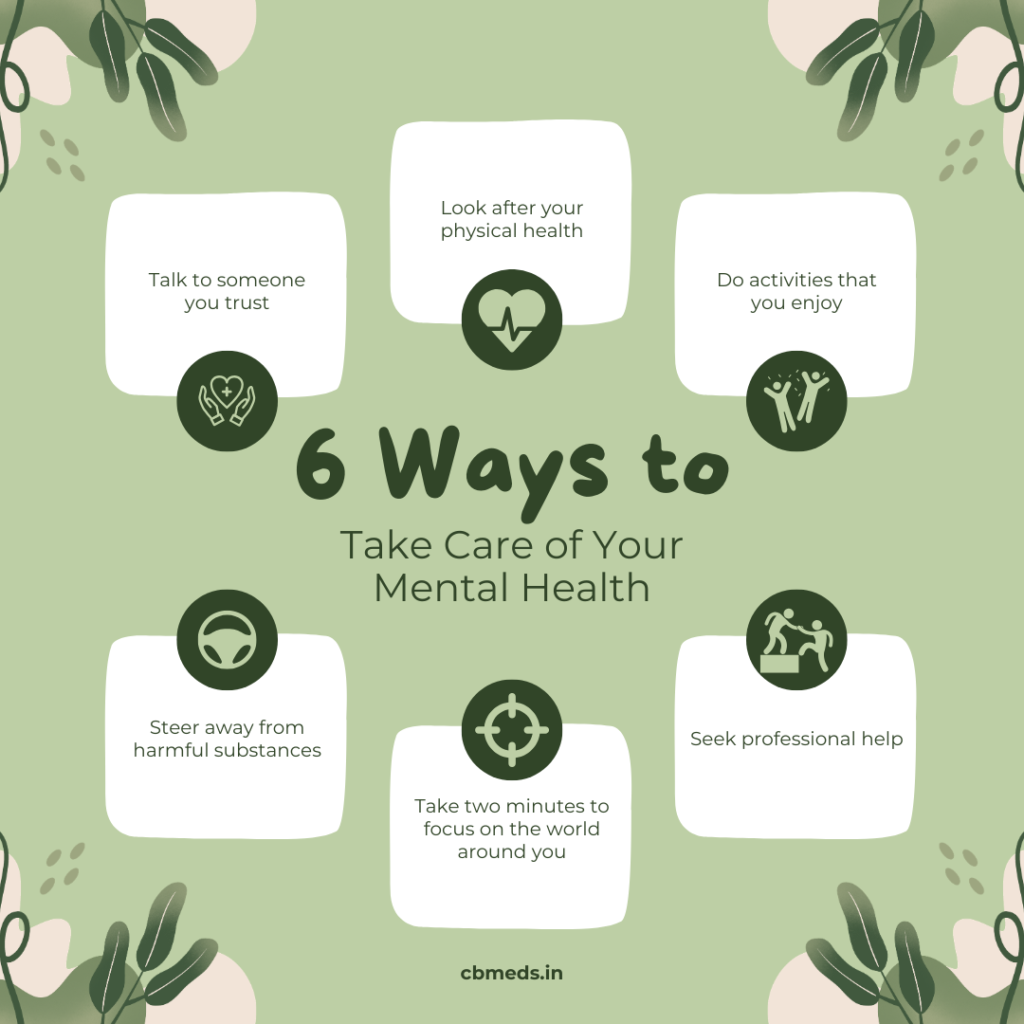
Taking care of your mental health doesn’t require drastic life changes. Often, small, consistent habits can have a powerful impact. Here are six effective and practical ways to take care of your mental health.
1. Talk to Someone You Trust
Human beings are social creatures. We are wired for connection, and sharing our thoughts and feelings with others can be incredibly healing. Bottling up emotions often leads to stress, anxiety, and even physical health issues.
Talking to someone you trust—whether it’s a friend, family member, or mentor—can help you process your emotions. You don’t always need advice; sometimes, simply being heard is enough. When you speak openly, it reduces the burden on your mind and allows you to gain clarity.
If you’re someone who struggles to open up, start small. Share your day, your thoughts, or even something that’s been bothering you slightly. Over time, it becomes easier.
Remember, seeking support is not a sign of weakness—it is a sign of strength.
2. Look After Your Physical Health
There is a strong connection between physical and mental health. When your body feels good, your mind tends to follow.
Regular exercise is one of the most effective ways to boost mental health. Activities like walking, jogging, yoga, or even dancing release endorphins—often called “feel-good hormones.” These help reduce stress, anxiety, and symptoms of depression.
Sleep is equally important. Lack of sleep can negatively affect mood, concentration, and overall mental well-being. Aim for 7–9 hours of quality sleep each night.
Nutrition also plays a key role. A balanced diet rich in fruits, vegetables, whole grains, and proteins supports brain function and stabilises mood.
Taking care of your body isn’t about perfection—it’s about consistency.
3. Do Activities That You Enjoy
In the middle of busy schedules, we often forget to make time for things we love. Engaging in enjoyable activities is not a luxury—it’s a necessity for mental well-being.
Hobbies such as painting, reading, cooking, gardening, travelling, or playing music can provide a sense of fulfilment and relaxation. These activities allow your mind to take a break from stress and focus on something positive.
Doing what you enjoy also boosts creativity and improves overall happiness. It reminds you that life is more than just responsibilities.
Even dedicating 20–30 minutes a day to something you love can make a noticeable difference.
4. Stay Away from Harmful Substances
Many people turn to alcohol, smoking, or other substances as a way to cope with stress. While these may provide temporary relief, they often worsen mental health in the long run.
Substances can interfere with brain chemistry, increase anxiety, disrupt sleep, and lead to dependency. Instead of solving problems, they create additional challenges.
Healthy coping mechanisms are far more effective. These include exercise, meditation, talking to someone, or engaging in hobbies.
If you find it difficult to reduce or stop using harmful substances, seeking professional support can help you navigate the process safely and effectively.
5. Practice Mindfulness and Stay Present
In a world full of distractions, our minds are often either stuck in the past or worried about the future. This constant mental noise can lead to stress and anxiety.
Mindfulness is the practice of being fully present in the moment. It involves paying attention to your thoughts, feelings, and surroundings without judgement.
A simple way to practice mindfulness is by taking two minutes to focus on your breathing or observing your surroundings. Notice the sounds, colours, and sensations around you.
Techniques like meditation, deep breathing, and grounding exercises can help calm the mind and improve focus.
Regular mindfulness practice has been shown to reduce stress, improve emotional regulation, and enhance overall well-being.
6. Seek Professional Help When Needed
Sometimes, self-care and support from loved ones may not be enough—and that’s okay. Mental health challenges such as anxiety, depression, or chronic stress may require professional guidance.
Therapists, psychologists, and psychiatrists are trained to help you understand and manage your mental health. They provide tools, techniques, and a safe space to explore your thoughts and feelings.
Seeking professional help does not mean something is wrong with you. It simply means you are taking responsibility for your well-being.
Early intervention can make a significant difference, so don’t wait until things feel overwhelming.
Why Mental Health Matters More Than Ever
In today’s digital age, constant comparison, social pressure, and information overload can negatively impact mental health. Many people struggle silently, believing they must handle everything on their own.
However, mental health is just as important as physical health. Ignoring it can lead to burnout, decreased productivity, strained relationships, and long-term health issues.
By prioritising mental well-being, you not only improve your quality of life but also become better equipped to handle challenges.
Building a Sustainable Mental Health Routine
Taking care of your mental health is not a one-time effort—it’s an ongoing process. Here are some simple ways to build a sustainable routine:
- Start your day with a positive intention
- Limit screen time, especially before bed
- Stay connected with supportive people
- Take breaks when needed
- Practice gratitude daily
- Set realistic goals
Small steps, when practised consistently, lead to long-term benefits.
Breaking the Stigma Around Mental Health
One of the biggest barriers to mental well-being is stigma. Many people hesitate to talk about their struggles due to fear of judgement.
It’s important to normalise conversations around mental health. Just like we visit a doctor for physical issues, seeking help for mental health should be equally accepted.
By speaking openly, supporting others, and educating ourselves, we can create a more compassionate and understanding society.
Final Thoughts
Taking care of your mental health is one of the most important investments you can make in yourself. It affects every aspect of your life—from your relationships to your work and overall happiness.
Remember, you don’t have to do everything at once. Start with small, manageable steps. Talk to someone, take a walk, practise mindfulness, or simply do something that makes you smile.
Your mental health journey is unique to you, and every step forward matters.
💚 Be patient with yourself.
💚 Be kind to yourself.
💚 And most importantly, don’t hesitate to seek help when you need it.
Because a healthy mind leads to a healthier, happier life.


