
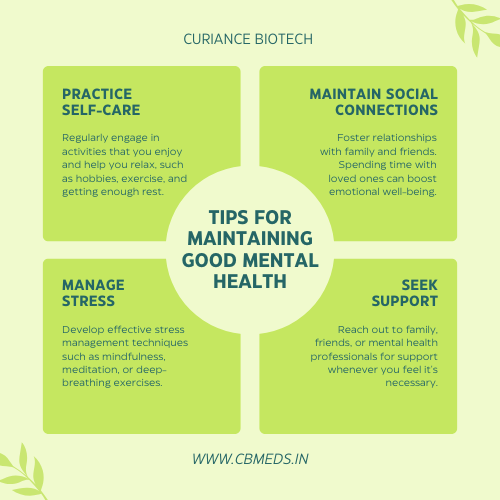
Mental health is an essential part of overall well-being. It affects how we think, feel, behave, manage stress, relate to others, and make decisions. Just like physical health, mental health requires regular care and attention. In today’s fast-paced world, many people experience stress, anxiety, emotional exhaustion, and burnout due to work pressure, financial concerns, social expectations, and personal challenges.
While occasional stress is a normal part of life, long-term neglect of mental well-being can impact both emotional and physical health. Poor mental health may lead to fatigue, sleep disturbances, low productivity, social withdrawal, and even chronic health problems. The good news is that maintaining good mental health often starts with simple daily habits and mindful choices.
Here are some important tips that can help improve emotional well-being and support long-term mental health.
Practise Self-Care Regularly
Self-care is one of the most important foundations of good mental health. It means taking intentional steps to care for your body, mind, and emotions. Many people mistakenly think self-care is selfish or luxurious, but in reality, it is necessary for maintaining balance and resilience.
Self-care can include simple activities such as:
- Getting enough sleep
- Eating nutritious meals
- Exercising regularly
- Spending time outdoors
- Reading a book
- Listening to music
- Pursuing hobbies
- Taking breaks from work
Engaging in activities you genuinely enjoy can help reduce stress and improve mood. Physical activity, in particular, has a strong connection with mental well-being. Exercise releases endorphins, also known as “feel-good hormones,” which help reduce anxiety and boost mood naturally.
Sleep is another critical aspect of self-care. Poor sleep can affect concentration, mood stability, and emotional regulation. Adults should aim for around 7–9 hours of quality sleep each night to support mental and physical recovery.
Additionally, maintaining a healthy diet can positively impact mental health. Nutrient-rich foods such as fruits, vegetables, whole grains, nuts, and proteins help support brain function and energy levels.
Manage Stress Effectively
Stress is unavoidable in life, but learning how to manage it effectively can protect mental health and improve resilience. Chronic stress can affect emotional balance, weaken the immune system, and contribute to anxiety and depression.
One of the best ways to manage stress is through relaxation techniques. Practices such as meditation, deep breathing exercises, yoga, and mindfulness can help calm the mind and reduce tension.
Mindfulness involves staying present in the current moment instead of constantly worrying about the future or dwelling on the past. Even spending just 10–15 minutes daily practising mindfulness can help improve focus and emotional stability.
Deep breathing exercises are simple yet powerful tools for calming the nervous system. Slow breathing helps reduce heart rate and creates a sense of relaxation during stressful situations.
Time management is another important aspect of stress reduction. Feeling overwhelmed often comes from trying to handle too many tasks at once. Breaking tasks into smaller steps, setting priorities, and taking short breaks can improve productivity while reducing mental exhaustion.
It is also important to recognise personal stress triggers. Some people may feel stressed due to work pressure, relationship conflicts, financial issues, or excessive social media use. Identifying triggers allows individuals to take proactive steps toward healthier coping strategies.
Maintain Social Connections
Humans are naturally social beings, and strong social connections play a major role in mental well-being. Supportive relationships can provide emotional comfort, encouragement, and a sense of belonging.
Spending time with family members, friends, colleagues, or supportive communities can reduce feelings of loneliness and isolation. Meaningful conversations and emotional support often help people cope better with difficult situations.
In modern life, many individuals become socially disconnected due to busy schedules or excessive digital interaction. While social media allows communication, it cannot fully replace genuine human connection. Real-life interactions often provide deeper emotional satisfaction and understanding.
Simple ways to strengthen social connections include:
- Calling or meeting loved ones regularly
- Participating in community activities
- Joining clubs or hobby groups
- Volunteering
- Sharing feelings openly with trusted people
Healthy relationships also improve self-esteem and emotional security. Knowing that someone cares and listens can make a significant difference during stressful or emotionally challenging times.
At the same time, it is important to maintain boundaries in relationships. Toxic or emotionally draining relationships can negatively affect mental health. Prioritising healthy, respectful, and supportive connections is essential.
Seek Support When Needed
One of the biggest misconceptions about mental health is that asking for help is a sign of weakness. In reality, seeking support shows strength, awareness, and courage.
Everyone experiences emotional struggles at some point in life. There may be times when stress, sadness, anxiety, or emotional pain becomes difficult to manage alone. Reaching out to someone can help prevent feelings from becoming overwhelming.
Support may come from:
- Family members
- Friends
- Mentors
- Counsellors
- Therapists
- Mental health professionals
Professional mental health support can provide valuable tools and coping strategies for dealing with emotional challenges. Therapy and counselling help individuals understand their emotions, identify unhealthy thought patterns, and develop healthier responses.
It is especially important to seek help if someone experiences:
- Persistent sadness
- Severe anxiety
- Mood swings
- Sleep problems
- Loss of interest in activities
- Difficulty functioning daily
- Thoughts of self-harm
Early support and intervention can greatly improve mental health outcomes.
Reduce Negative Thinking Patterns
Negative thoughts can strongly influence emotional well-being. Constant self-criticism, overthinking, or focusing only on problems may increase anxiety and reduce self-confidence.
Learning to challenge negative thinking is an important mental health skill. Instead of assuming the worst, individuals can practise balanced thinking by looking at situations more realistically.
For example, replacing thoughts like:
“I always fail”
with:
“I made a mistake, but I can learn from it”
Positive thinking does not mean ignoring difficulties. It means approaching challenges with a healthier mindset and believing in the possibility of improvement.
Practising gratitude is another effective technique. Focusing on positive aspects of life, even small ones, can help shift attention away from negativity. Keeping a gratitude journal or reflecting on good moments daily may improve emotional well-being over time.
Limit Excessive Screen Time
Technology is an important part of modern life, but excessive screen time can negatively affect mental health. Constant exposure to social media, news, and digital content may contribute to stress, anxiety, poor sleep, and low self-esteem.
Social media often creates unrealistic comparisons and pressure to appear perfect. Spending too much time online may also reduce real-life social interaction and productivity.
To maintain balance:
- Take regular digital breaks
- Avoid screens before bedtime
- Limit unnecessary social media scrolling
- Spend more time in offline activities
Creating healthy technology habits can improve focus, emotional balance, and sleep quality.
Build a Healthy Routine
Daily routines provide structure and stability, which are important for mental health. Irregular schedules can increase stress and reduce productivity.
A balanced routine should include:
- Consistent sleep schedules
- Healthy meals
- Physical activity
- Relaxation time
- Social interaction
- Personal hobbies
Even small habits, when practised consistently, can create positive long-term effects on emotional well-being.
Spend Time in Nature
Nature has a calming effect on the mind. Spending time outdoors can reduce stress, improve mood, and increase feelings of relaxation.
Activities such as walking in parks, hiking, gardening, or simply sitting in natural surroundings may help refresh the mind and reduce mental fatigue.
Sunlight exposure also supports vitamin D production, which plays a role in mood regulation.
Final Thoughts
Good mental health is not achieved overnight. It is built through consistent habits, emotional awareness, healthy relationships, and self-care. Life will always include challenges and stressful moments, but taking proactive steps toward emotional well-being can improve resilience and overall quality of life.
Practising self-care, managing stress effectively, maintaining supportive relationships, and seeking help when needed are powerful ways to protect mental health. Just as people care for their physical bodies through exercise and nutrition, the mind also deserves regular care and attention.
Mental health matters at every stage of life. By prioritising emotional well-being today, individuals can create a healthier, happier, and more balanced future.


