
Introduction
Ebola is one of the deadliest infectious diseases known to humanity. Over the years, Ebola outbreaks have caused fear across the globe because of the disease’s high fatality rate and severe symptoms. Although Ebola outbreaks are relatively rare, the virus remains a major public health concern, especially in parts of Africa where most outbreaks have occurred.
The disease first gained worldwide attention during the large West African outbreak between 2014 and 2016, which affected thousands of people and led to widespread international concern. Since then, governments, healthcare organisations, and scientists have worked extensively to improve prevention, treatment, and vaccine development.
Understanding Ebola is important not only for healthcare professionals but also for the general public. Awareness helps reduce panic, encourages early diagnosis, and supports prevention efforts that can save lives.
What Is Ebola?
Ebola is a severe viral illness caused by the Ebola virus. It belongs to a group of viruses known as filoviruses, which can cause serious bleeding disorders and organ failure in humans and certain animals.
The disease is officially called Ebola Virus Disease (EVD). It affects humans as well as non-human primates such as monkeys and chimpanzees.
Ebola is considered highly dangerous because:
- It spreads through direct contact with infected bodily fluids
- It can cause severe internal bleeding
- It has a high mortality rate
- There is no simple cure once symptoms become severe
However, with modern medical care, survival rates have improved significantly compared to earlier outbreaks.
History of Ebola
Ebola was first identified in 1976 during two simultaneous outbreaks in Sudan and the Democratic Republic of Congo. The virus was named after the Ebola River, located near one of the outbreak sites.
Since then, several outbreaks have occurred in African countries including:
- Democratic Republic of Congo
- Uganda
- Sudan
- Guinea
- Liberia
- Sierra Leone
The 2014–2016 West Africa outbreak became the largest Ebola epidemic in history, resulting in over 11,000 deaths.
This outbreak highlighted weaknesses in global healthcare systems and showed how quickly infectious diseases can spread when healthcare resources are limited.
How Ebola Spreads
Ebola does not spread through the air like the common cold or flu. Instead, transmission occurs through direct contact with infected body fluids.
Common Sources of Transmission
The virus can spread through contact with:
- Blood
- Saliva
- Vomit
- Sweat
- Urine
- Semen
- Breast milk
- Faeces
A person can become infected if these fluids enter the body through:
- Broken skin
- Cuts or wounds
- Eyes
- Nose
- Mouth
Human-to-Human Transmission
Ebola spreads most commonly through:
- Caring for infected patients
- Contact with contaminated medical equipment
- Unsafe burial practices
- Close physical contact with infected individuals
Healthcare workers are especially at risk without proper protective equipment.
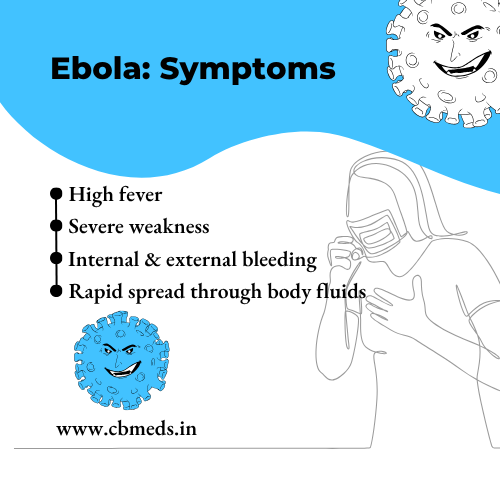
Symptoms of Ebola
Symptoms usually appear between 2 and 21 days after exposure to the virus.
Early Symptoms
The disease often begins suddenly with flu-like symptoms such as:
- High fever
- Fatigue
- Muscle pain
- Weakness
- Headache
- Sore throat
Because these symptoms resemble many other illnesses, early diagnosis can sometimes be difficult.
Advanced Symptoms
As the disease progresses, more severe symptoms may develop:
- Vomiting
- Diarrhoea
- Rash
- Chest pain
- Stomach pain
- Bleeding from gums or nose
- Internal bleeding
- Organ failure
In severe cases, Ebola can lead to shock and death.
Why Ebola Is So Dangerous
Ebola is considered dangerous because it attacks multiple systems in the body simultaneously.
The virus can:
- Damage blood vessels
- Weaken the immune system
- Cause severe dehydration
- Trigger organ failure
- Lead to uncontrolled bleeding
Without proper treatment, the disease can become fatal very quickly.
However, survival chances improve greatly when patients receive early medical care including hydration, oxygen support, and treatment for complications.
Diagnosis of Ebola
Diagnosing Ebola requires specialised laboratory testing because its symptoms are similar to diseases such as malaria, typhoid, and dengue fever.
Doctors may use:
- Blood tests
- PCR testing
- Antigen detection tests
Rapid diagnosis is extremely important because early isolation can prevent further spread.
Treatment for Ebola
There is currently no universal “cure” for Ebola, but treatments have improved significantly.
Supportive Care
Most Ebola treatment focuses on supportive medical care, including:
- Intravenous fluids
- Electrolyte replacement
- Oxygen therapy
- Blood pressure support
- Treatment of secondary infections
Antibody Treatments
Newer therapies use laboratory-made antibodies designed to fight the Ebola virus directly. These treatments have improved survival rates in recent outbreaks.
Vaccines
Vaccination has become one of the biggest breakthroughs in Ebola prevention.
Several vaccines have shown strong effectiveness in protecting people who are at high risk during outbreaks.
Healthcare workers and close contacts of infected patients are often vaccinated during outbreak control efforts.
Prevention of Ebola
Preventing Ebola depends heavily on hygiene, public awareness, and rapid isolation of infected individuals.
Key Prevention Measures
Avoid Contact With Infected Body Fluids
People should avoid direct exposure to bodily fluids of infected individuals.
Use Protective Equipment
Healthcare workers should wear:
- Gloves
- Masks
- Protective suits
- Eye protection
Safe Burial Practices
Traditional burial rituals involving touching the body can increase transmission risk. Safe medical burial procedures help prevent spread.
Hand Hygiene
Frequent handwashing with soap or alcohol-based sanitisers remains extremely important.
Vaccination
Vaccines play a major role in preventing outbreaks among high-risk populations.
Ebola and Global Health
Ebola outbreaks have taught the world important lessons about global health preparedness.
Importance of Rapid Response
Delays in identifying outbreaks can lead to widespread transmission. Quick action is critical.
Role of Healthcare Systems
Countries with weak healthcare infrastructure are more vulnerable to large outbreaks.
International Cooperation
Global organisations such as World Health Organization and humanitarian groups often work together during Ebola emergencies.
Their efforts include:
- Sending medical teams
- Providing vaccines
- Establishing treatment centres
- Educating communities
Common Myths About Ebola
Myth 1: Ebola Spreads Through Air
Ebola is not considered an airborne disease like COVID-19 or influenza.
Myth 2: Everyone With Ebola Dies
Although Ebola has a high fatality rate, many people survive, especially with early treatment.
Myth 3: Ebola Only Affects Africa
While most outbreaks have occurred in Africa, Ebola can potentially spread internationally through travel.
Myth 4: Ebola Can Spread Through Casual Contact
The virus does not spread through casual interactions such as sitting near someone or talking briefly.
Psychological and Social Impact of Ebola
Ebola outbreaks affect more than physical health. Communities often experience:
- Fear
- Panic
- Social isolation
- Economic disruption
- Mental health challenges
Survivors may also face stigma after recovery.
Children who lose parents during outbreaks may suffer long-term emotional trauma.
This is why mental health support and community education are important parts of outbreak recovery.
Lessons Learned From Past Outbreaks
The world has learned several key lessons from Ebola outbreaks:
Early Detection Saves Lives
Quick identification of cases prevents widespread transmission.
Community Trust Matters
Public cooperation is essential for successful outbreak control.
Healthcare Worker Safety Is Critical
Proper training and protective equipment reduce infections among medical staff.
Vaccines Change Outcomes
Modern vaccines have dramatically improved outbreak management.
Ebola in the Modern World
Today, Ebola remains a serious but more manageable disease compared to previous decades.
Medical science has advanced significantly through:
- Better vaccines
- Faster testing
- Improved treatments
- Stronger emergency response systems
Although outbreaks still occur occasionally, the global community is now far more prepared to respond quickly and effectively.
Conclusion
Ebola is one of the most severe viral diseases ever discovered, but education and scientific progress have transformed how the world handles outbreaks.
Understanding how Ebola spreads, recognising symptoms early, and following prevention strategies are essential steps in protecting communities. Vaccination, rapid medical response, and global cooperation continue to play vital roles in controlling outbreaks and saving lives.
While Ebola remains dangerous, modern healthcare advancements offer hope. Increased awareness and preparedness ensure that the world is better equipped to prevent future epidemics and protect public health.


