Introduction
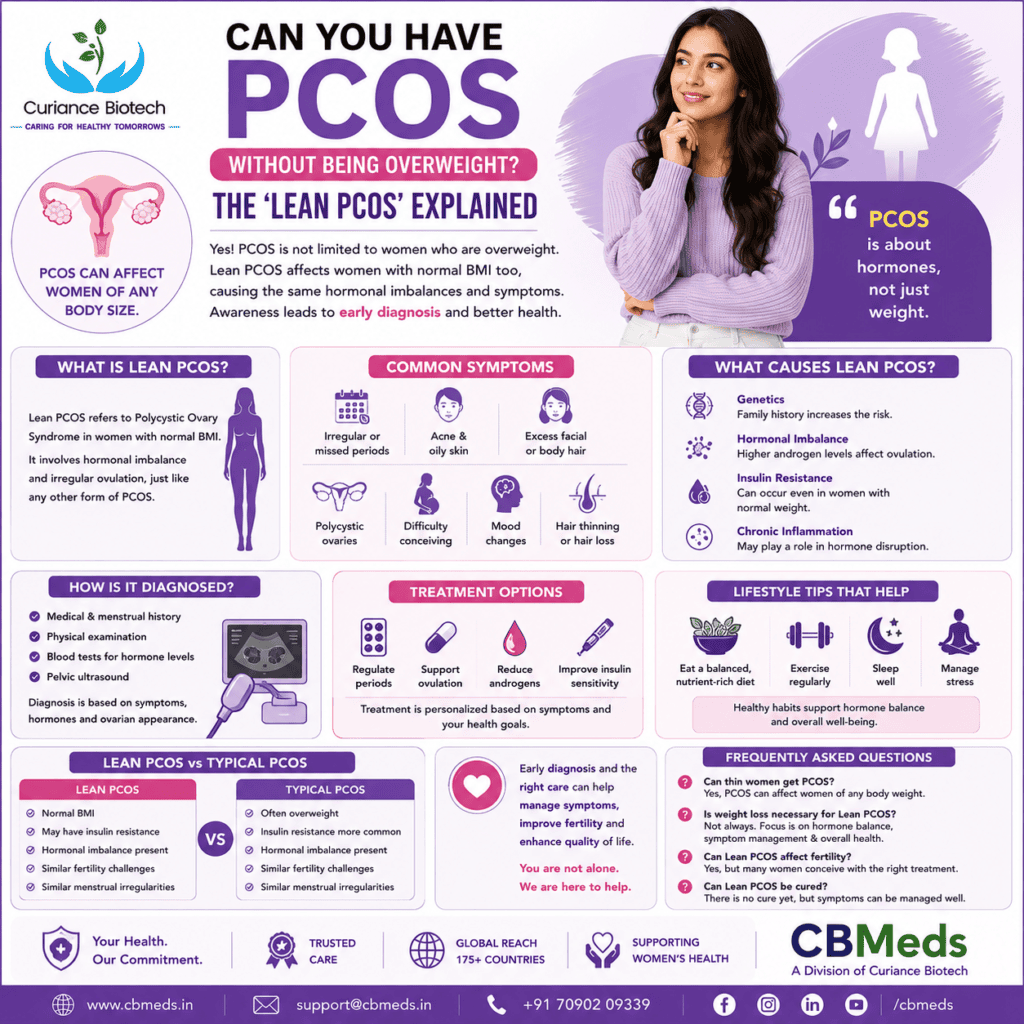
Polycystic Ovary Syndrome (PCOS) is often associated with weight gain and obesity. However, not everyone with PCOS is overweight. Many women with a normal or even low body weight can also develop the condition—a form commonly referred to as Lean PCOS.
Because these women don’t fit the “typical” image of PCOS, diagnosis is often delayed or overlooked. Understanding Lean PCOS is important so that symptoms are recognised early and appropriate treatment can begin.
At Curiance Biotech, we believe that increasing awareness of women’s health conditions helps women seek timely care and make informed decisions about their health.
What Is Lean PCOS?
Lean PCOS refers to Polycystic Ovary Syndrome in women with a normal Body Mass Index (BMI).
Although body weight is normal, these women may still experience the same hormonal imbalances seen in other forms of PCOS.
Lean PCOS is not a separate disease—it is simply PCOS occurring in women who are not overweight.
Can You Really Have PCOS Without Being Overweight?
Yes.
Body weight alone does not determine whether someone has PCOS.
Many women with Lean PCOS have:
- Irregular menstrual cycles
- Acne
- Excess facial or body hair
- Difficulty conceiving
- Ovarian cysts seen on ultrasound
- Hormonal imbalance
Some women may also have insulin resistance despite appearing slim.
Common Symptoms of Lean PCOS
Symptoms vary from person to person but may include:
- Irregular or missed periods
- Difficulty getting pregnant
- Acne
- Oily skin
- Excess facial or body hair (hirsutism)
- Hair thinning or hair loss
- Mood changes
- Polycystic ovaries on ultrasound
Not every woman will experience all of these symptoms.
What Causes Lean PCOS?
The exact cause remains unclear, but several factors are believed to contribute:
Genetics
A family history of PCOS increases the likelihood of developing the condition.
Hormonal Imbalance
Higher-than-normal androgen (male hormone) levels can interfere with ovulation.
Insulin Resistance
Even women with a healthy weight may develop insulin resistance, affecting hormone balance and ovarian function.
Chronic Inflammation
Low-grade inflammation has also been linked to PCOS in some women.
How Is Lean PCOS Diagnosed?
Doctors usually diagnose PCOS using a combination of:
- Medical history
- Menstrual history
- Physical examination
- Blood tests for hormone levels
- Pelvic ultrasound
Diagnosis often follows internationally accepted criteria, considering symptoms, ovulation patterns, and ovarian appearance.
How Is Lean PCOS Different From Typical PCOS?
| Lean PCOS | Typical PCOS |
|---|---|
| Normal BMI | Often overweight or obese |
| May still have insulin resistance | Insulin resistance more common |
| Hormonal imbalance present | Hormonal imbalance present |
| Similar fertility challenges | Similar fertility challenges |
| Similar menstrual irregularities | Similar menstrual irregularities |
Despite differences in body weight, both forms require medical evaluation and appropriate management.
Treatment Options
Treatment depends on a woman’s symptoms and reproductive goals.
It may include:
Healthy Diet
A balanced diet rich in vegetables, whole grains, lean protein, and healthy fats supports hormonal health.
Regular Exercise
Physical activity improves insulin sensitivity and overall well-being, even in women with normal body weight.
Medications
Doctors may prescribe medicines to:
- Regulate menstrual cycles
- Support ovulation
- Reduce androgen levels
- Improve insulin sensitivity when appropriate
Treatment should always be individualised.
Fertility Treatment
Women planning pregnancy may require ovulation-inducing medications or fertility specialist care.
Can Lean PCOS Cause Infertility?
Lean PCOS may affect ovulation, making conception more difficult for some women.
However, many women with Lean PCOS conceive successfully with appropriate medical care and lifestyle management.
Early diagnosis improves the chances of successful treatment.
Lifestyle Tips for Managing Lean PCOS
Helpful habits include:
- Eat a balanced, nutrient-rich diet
- Exercise regularly
- Maintain a healthy sleep schedule
- Manage stress
- Attend regular medical follow-ups
- Follow your doctor’s treatment plan
Even without weight loss goals, these habits support overall hormonal health.
Frequently Asked Questions
Can thin women get PCOS?
Yes. Women of any body weight can develop PCOS.
Is weight loss necessary for Lean PCOS?
Not always. Since many women with Lean PCOS already have a healthy weight, treatment focuses more on hormonal balance, symptom management, and overall metabolic health.
Can Lean PCOS affect fertility?
Yes. It may interfere with ovulation, but many women successfully conceive with appropriate treatment.
Can Lean PCOS be cured?
There is currently no cure for PCOS, but symptoms can often be managed effectively through lifestyle changes, medications, and regular medical care.
Final Thoughts
PCOS is not limited to women who are overweight. Lean PCOS is a recognised form of the condition that can affect women with a normal BMI while causing many of the same hormonal and reproductive challenges.
Recognising symptoms early, seeking medical evaluation, and following a personalised treatment plan can help improve menstrual health, fertility, and overall quality of life.
At Curiance Biotech, we are committed to promoting awareness of women’s health through accurate, evidence-based medical education.
Medical Disclaimer
This article is intended for educational purposes only and should not replace professional medical advice. Always consult a qualified healthcare professional regarding menstrual irregularities, fertility concerns, or symptoms of PCOS.


