
Introduction
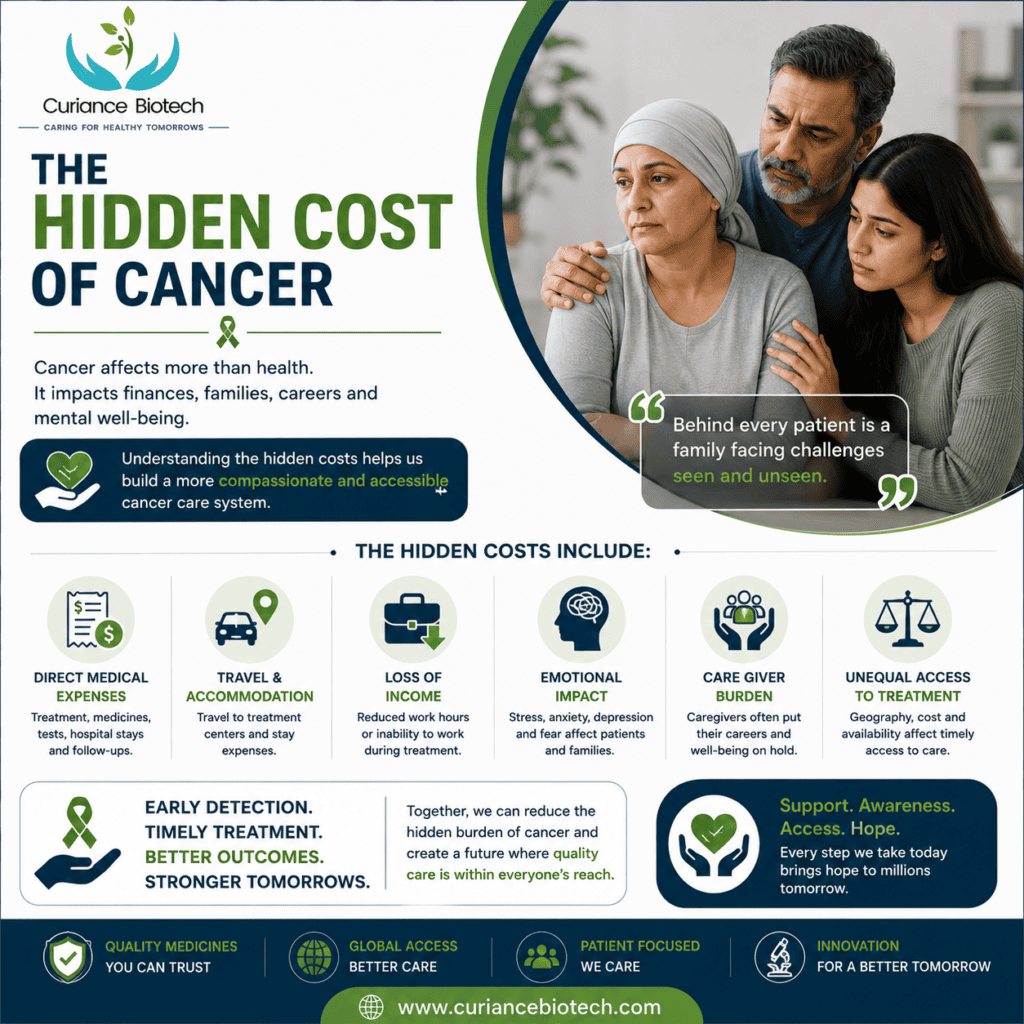
When someone is diagnosed with cancer, the first concern is naturally their health. Questions about treatment, recovery, and survival quickly take center stage. But for millions of patients and families worldwide, another battle begins almost immediately—the hidden financial and emotional cost of living with cancer.
Cancer is not only a medical condition. It is often a life-changing event that affects every aspect of a person’s life, from employment and family responsibilities to savings, mental health, and future plans.
While remarkable advances in oncology have improved survival rates, access to those treatments remains unequal, and the overall burden of cancer extends far beyond hospital walls.
At Curiance Biotech, we believe that raising awareness about these challenges is an important step toward improving patient care and access to treatment worldwide.
Cancer’s Financial Impact Goes Beyond Hospital Bills
Most people think of chemotherapy, surgery, or medication costs when discussing cancer expenses. However, direct medical costs represent only part of the financial burden.
Patients often face additional expenses such as:
- Travel to specialist cancer centers
- Accommodation during treatment
- Diagnostic tests and imaging
- Laboratory investigations
- Nutritional support
- Medical equipment
- Caregiver expenses
- Rehabilitation services
For families living far from oncology centers, transportation and temporary accommodation alone can become significant financial challenges.
How to Access Osimertinib in India Legally — A Step-by-Step Guide
Loss of Income
Cancer frequently affects a patient’s ability to work.
Depending on the diagnosis and treatment plan, patients may require:
- Extended medical leave
- Reduced working hours
- Early retirement
- Permanent disability
Caregivers often reduce their own working hours or leave employment entirely to support loved ones during treatment.
This reduction in household income often occurs at the same time medical expenses are increasing.
Emotional Costs Are Often Overlooked
Cancer affects mental health as much as physical health.
Patients commonly experience:
- Anxiety
- Depression
- Fear of recurrence
- Uncertainty about the future
- Sleep disturbances
- Emotional exhaustion
Family members and caregivers frequently experience similar emotional challenges while supporting their loved ones.
Providing psychological support has become an increasingly important part of comprehensive cancer care.
The Cost of Delayed Diagnosis
In many countries, patients experience delays before receiving a cancer diagnosis.
Common reasons include:
- Limited access to specialists
- Financial barriers
- Lack of awareness
- Long waiting times
- Limited diagnostic facilities
Early diagnosis often improves treatment outcomes while reducing long-term healthcare costs.
Unequal Access to Treatment
One of the greatest global healthcare challenges is unequal access to modern cancer therapies.
Patients living in different countries—or even different regions within the same country—may have very different treatment options.
Factors affecting access include:
- Regulatory approval timelines
- Healthcare infrastructure
- Drug availability
- Insurance coverage
- Treatment affordability
These differences can significantly influence patient outcomes.
The Role of Generic Medicines
As patents expire, quality-assured generic medicines help improve access to life-saving cancer treatments.
Generic medicines can:
- Increase affordability
- Improve treatment accessibility
- Reduce healthcare costs
- Expand treatment options in low- and middle-income countries
When manufactured according to internationally recognized quality standards, generic medicines play an important role in improving global cancer care.
Supporting Patients Beyond Treatment
Modern cancer care increasingly recognizes the importance of supporting patients throughout their entire journey.
Support services may include:
- Nutritional counseling
- Mental health support
- Pain management
- Financial counseling
- Patient education
- Rehabilitation
- Survivorship care
Treating cancer effectively involves caring for the whole person—not just the disease.
Why Awareness Matters
Open conversations about the hidden costs of cancer encourage:
- Earlier diagnosis
- Better healthcare planning
- Greater policy support
- Increased patient advocacy
- Improved access to treatment
Education also helps reduce stigma and empowers patients to seek support when they need it.
The Importance of Global Collaboration
Governments, healthcare providers, researchers, patient organizations, and the pharmaceutical industry all play important roles in improving access to cancer care.
Continued investment in:
- Medical research
- Early detection programs
- Affordable medicines
- Healthcare infrastructure
- Patient education
will help reduce the burden of cancer for future generations.
Frequently Asked Questions
Why is cancer so financially challenging?
Cancer often combines high treatment costs with reduced income, travel expenses, long-term care needs, and emotional stress, creating a significant financial burden for many families.
Are indirect costs important?
Yes.
Indirect costs such as lost income, caregiver support, transportation, and accommodation often represent a substantial portion of the overall financial impact.
Can generic medicines improve access?
Quality-assured generic medicines help make many cancer treatments more affordable and accessible in numerous countries.
Why is early diagnosis important?
Early diagnosis often allows treatment to begin sooner, improving outcomes and potentially reducing long-term healthcare costs.
Final Thoughts
Cancer changes lives in ways that extend far beyond the diagnosis itself.
The financial, emotional, and social challenges experienced by patients and families are often invisible, yet they can have a lasting impact long after treatment ends.
Improving access to affordable, high-quality cancer care requires continued collaboration between healthcare professionals, policymakers, researchers, and the pharmaceutical industry.
At Curiance Biotech, we remain committed to supporting healthcare awareness through reliable educational content while helping improve access to quality oncology medicines for patients around the world.
Together, we can work toward a future where access to life-saving cancer treatment is determined by medical need—not by geography or financial circumstances.
Medical Disclaimer
This article is intended for educational purposes only and should not replace professional medical advice. Patients should consult qualified healthcare professionals regarding diagnosis, treatment, and individualized care.


