Heart health is not just a concern for older adults or people with medical conditions. In today’s fast-paced lifestyle, heart problems are increasingly affecting younger individuals due to poor diet, stress, lack of physical activity, and unhealthy habits. The good news is that your heart responds incredibly well to positive lifestyle changes.
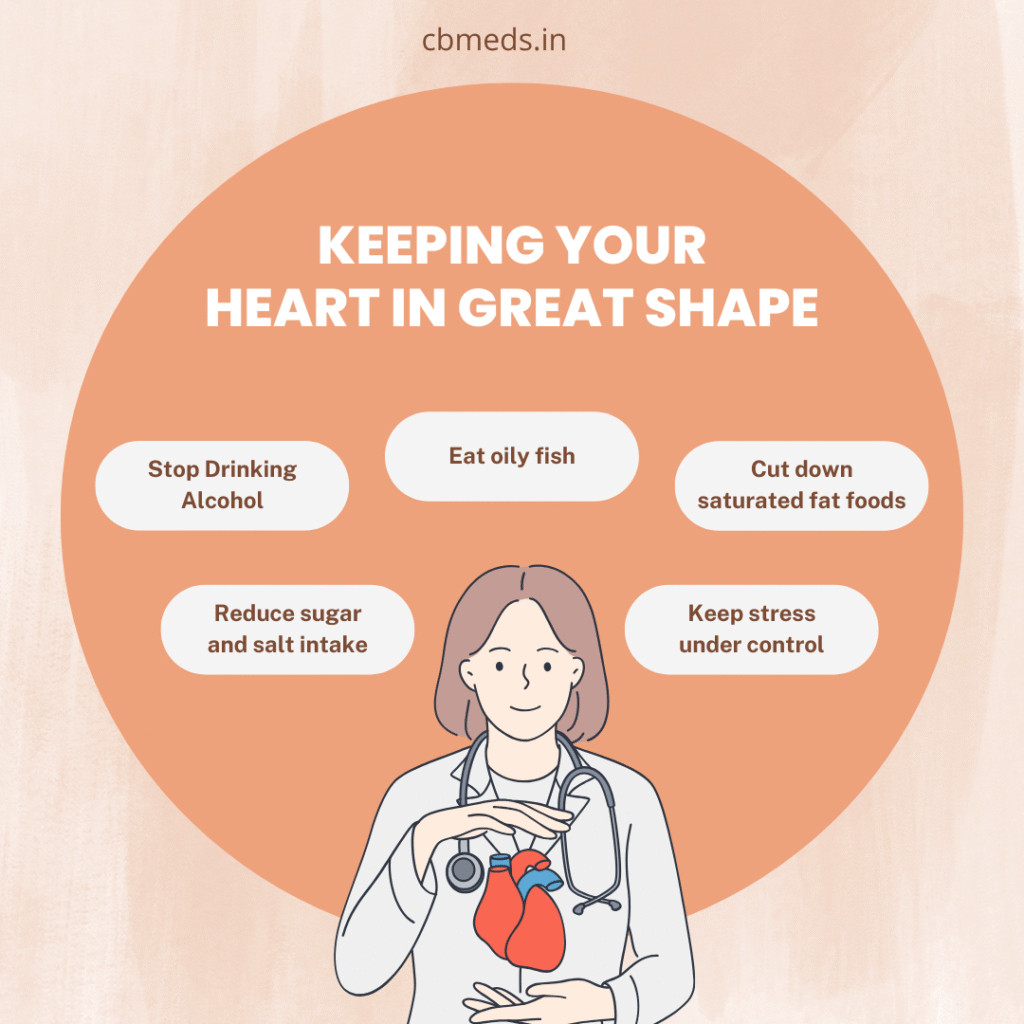
Keeping your heart in great shape does not require drastic measures or complicated routines. Simple, consistent habits can significantly reduce the risk of heart disease and improve overall well-being. In this article, we’ll explore practical and science-backed ways to support your heart health naturally.
Why Heart Health Matters
Your heart is the engine of your body. It pumps oxygen-rich blood to every organ, keeps your metabolism running, and supports physical and mental performance. When the heart is unhealthy, it affects your energy levels, immunity, digestion, and even mental clarity.
Heart disease often develops silently over time. High blood pressure, cholesterol imbalance, excess sugar intake, and chronic stress slowly damage blood vessels and strain the heart. That’s why prevention is far more effective than treatment.
1. Stop Drinking Alcohol (or Limit It Strictly)
Alcohol may be socially accepted, but excessive or regular drinking can seriously harm your heart.
How alcohol affects heart health:
- Raises blood pressure
- Increases triglyceride levels
- Weakens heart muscles over time
- Triggers irregular heartbeats
- Adds empty calories leading to weight gain
Even moderate drinking can increase long-term heart risks, especially when combined with stress and poor diet. Reducing alcohol intake or avoiding it completely helps your heart function more efficiently and recover naturally.
Heart-friendly tip:
Replace alcohol with herbal teas, infused water, or fresh juices rich in antioxidants.
2. Eat Oily Fish for Healthy Fats
Not all fats are bad. In fact, your heart needs healthy fats to stay strong and flexible.
Oily fish such as salmon, sardines, mackerel, and tuna are rich in omega-3 fatty acids, which are known to:
- Reduce inflammation
- Lower bad (LDL) cholesterol
- Increase good (HDL) cholesterol
- Reduce the risk of blood clots
- Improve blood vessel function
Omega-3 fats help maintain a steady heartbeat and reduce the risk of sudden cardiac events.
How often should you eat oily fish?
Aim for at least 2 servings per week. If fish isn’t part of your diet, omega-3 sources like walnuts, flaxseeds, and chia seeds can help.
3. Cut Down on Saturated Fat Foods
Saturated fats are one of the biggest contributors to heart disease when consumed in excess.
Common sources of saturated fats:
- Fried foods
- Fast food
- Butter and ghee in excess
- Cream, cheese, and full-fat dairy
- Processed snacks and bakery items
High saturated fat intake raises LDL cholesterol, which leads to plaque buildup in arteries. Over time, this restricts blood flow and increases the risk of heart attacks and strokes.
Healthier alternatives:
- Use olive oil or mustard oil in moderation
- Choose low-fat dairy options
- Opt for grilled, steamed, or baked foods
- Include nuts, seeds, and avocados
Balance is key — your heart thrives on moderation, not restriction.
4. Reduce Sugar and Salt Intake
Hidden sugar and excess salt are silent enemies of heart health.
Too Much Sugar Can:
- Increase insulin resistance
- Promote weight gain
- Raise triglyceride levels
- Increase inflammation in blood vessels
Too Much Salt Can:
- Raise blood pressure
- Increase water retention
- Put extra strain on the heart
- Increase stroke risk
Processed foods, packaged snacks, bakery items, sauces, and soft drinks are major sources of hidden sugar and salt.
Simple changes you can make:
- Read nutrition labels carefully
- Cook more meals at home
- Replace sugary drinks with water or coconut water
- Use natural herbs and spices instead of excess salt
Your taste buds will adapt — and your heart will benefit.
5. Keep Stress Under Control
Chronic stress is one of the most underestimated risk factors for heart disease.
When you’re stressed, your body releases cortisol and adrenaline, which:
- Increase heart rate
- Raise blood pressure
- Promote inflammation
- Encourage unhealthy coping habits (overeating, smoking, drinking)
Long-term stress keeps your heart in a constant “fight-or-flight” mode, which is damaging over time.
Effective ways to manage stress:
- Practice deep breathing or meditation
- Spend time in nature
- Maintain a consistent sleep schedule
- Limit screen time before bed
- Engage in hobbies you enjoy
- Talk openly about emotional concerns
Even 10–15 minutes of relaxation daily can significantly improve heart health.
Additional Habits for a Strong Heart
🏃 Stay Physically Active
Regular movement strengthens your heart muscle and improves circulation. You don’t need intense workouts — brisk walking, cycling, yoga, or swimming for 30 minutes a day is enough.
💤 Prioritise Quality Sleep
Poor sleep increases blood pressure and stress hormones. Aim for 7–8 hours of restful sleep every night.
🚭 Avoid Smoking
Smoking damages blood vessels, reduces oxygen supply, and dramatically increases heart disease risk. Quitting smoking is one of the best gifts you can give your heart.
⚖️ Maintain a Healthy Weight
Excess body fat puts additional strain on the heart. Balanced nutrition and consistent activity help maintain a healthy weight naturally.
Listening to Your Heart: Warning Signs You Shouldn’t Ignore
Seek medical advice if you experience:
- Chest pain or tightness
- Shortness of breath
- Unusual fatigue
- Dizziness or palpitations
- Swelling in legs or feet
Early attention can prevent serious complications.
Final Thoughts
Keeping your heart in great shape isn’t about perfection — it’s about daily conscious choices. Reducing alcohol, eating healthy fats, cutting down sugar and salt, managing stress, and staying active can collectively transform your heart health.
Your heart works tirelessly for you every second of your life. Treat it with care, nourish it with the right habits, and protect it through mindful living.
A healthy heart means a healthier, longer, and more energetic life. ❤️


