
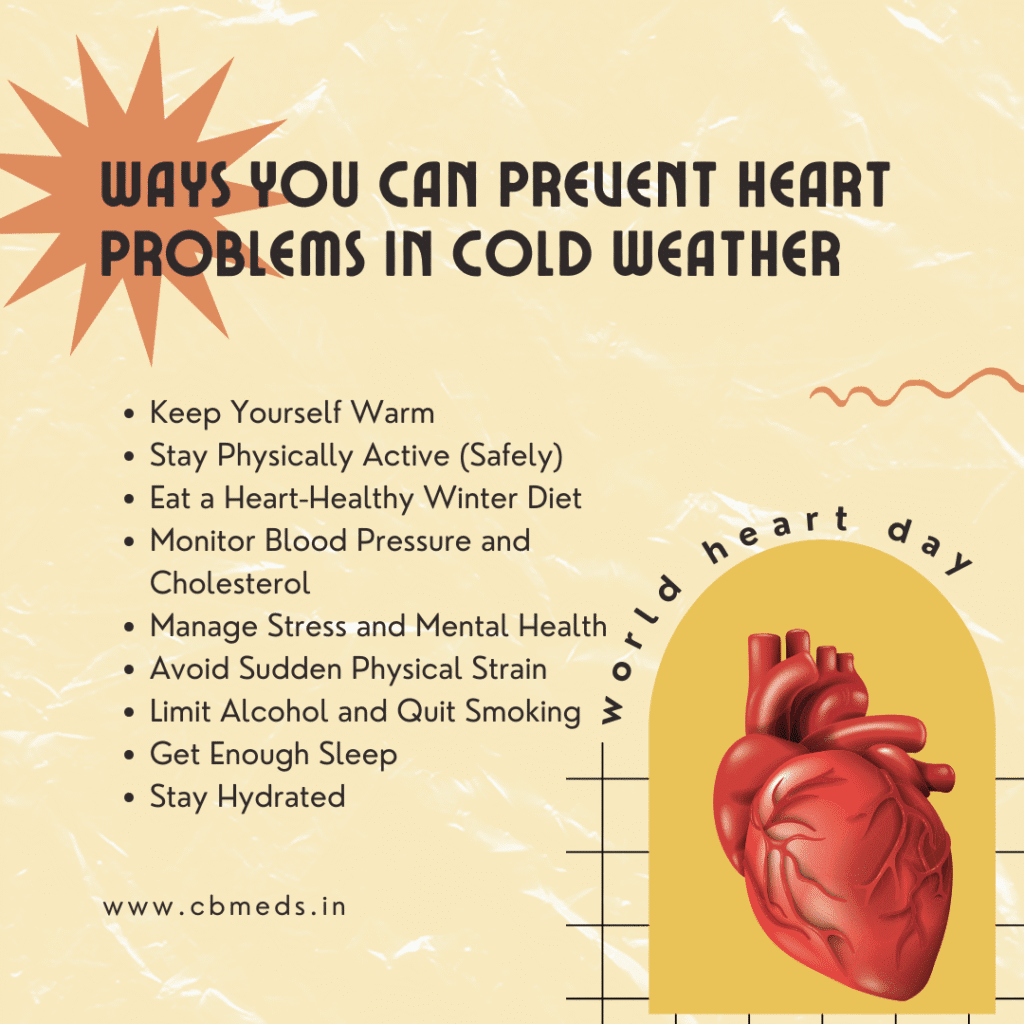
Winter is often associated with cosy blankets, warm drinks, and festive celebrations. However, for your heart, cold weather can be a challenging season. Research shows that heart attacks, strokes, and other cardiovascular problems are more common during winter months. Understanding why this happens and knowing how to protect yourself can significantly reduce your risk.
This article explains how cold weather affects heart health and outlines practical, easy-to-follow steps to keep your heart safe throughout winter.
Why Cold Weather Is Hard on Your Heart
When temperatures drop, your body works harder to maintain its core temperature. Blood vessels constrict to reduce heat loss, which increases blood pressure. This extra pressure forces the heart to work harder to pump blood, increasing the risk of heart-related issues.
Cold weather can also:
- Increase blood thickness, raising the risk of clots
- Trigger irregular heart rhythms
- Reduce physical activity levels
- Lead to unhealthy eating habits
- Increase respiratory infections that strain the heart
People with existing heart conditions, high blood pressure, diabetes, or high cholesterol are especially vulnerable — but even healthy individuals should take precautions.
1. Keep Yourself Warm
Staying warm is one of the most effective ways to protect your heart in winter.
- Dress in layers to trap body heat
- Cover your head, hands, and feet
- Use scarves or masks to warm the air you breathe
- Keep indoor spaces adequately heated
Sudden exposure to cold can cause a rapid rise in blood pressure and may trigger chest pain or heart attacks, especially in older adults.
2. Stay Physically Active (Safely)
Cold weather often discourages exercise, but inactivity can increase heart risk.
- Aim for at least 30 minutes of moderate activity most days
- Choose indoor exercises like yoga, stretching, or bodyweight workouts
- Take brisk walks during warmer daylight hours
- Avoid exercising outdoors in extreme cold
Regular physical activity improves circulation, lowers blood pressure, and helps control weight and cholesterol.
3. Eat a Heart-Healthy Winter Diet
Winter cravings often lean towards heavy, fried, and sugary foods. While occasional indulgence is fine, consistent unhealthy eating can harm your heart.
Focus on:
- Seasonal fruits and vegetables
- Whole grains
- Nuts and seeds
- Lean proteins
- Healthy fats like olive oil
Warm soups, stews, and herbal teas can be comforting while still supporting heart health. Avoid excess salt, as it raises blood pressure.
4. Monitor Blood Pressure and Cholesterol
Blood pressure often rises in winter due to narrowed blood vessels and reduced activity.
- Check your blood pressure regularly
- Follow prescribed medications consistently
- Avoid skipping doses during holidays
- Consult your doctor if readings remain high
Early detection and control can prevent serious complications.
5. Manage Stress and Mental Health
Winter can increase stress due to shorter days, less sunlight, and social isolation. Chronic stress contributes to high blood pressure, inflammation, and heart disease.
Try:
- Deep breathing or meditation
- Adequate sleep
- Staying socially connected
- Limiting excessive news or screen time
Mental well-being plays a crucial role in heart health.
6. Avoid Sudden Physical Strain
Activities like shovelling snow, lifting heavy objects, or sudden intense workouts can strain the heart, especially in cold temperatures.
- Warm up before physical activity
- Take frequent breaks
- Avoid overexertion
- Seek help for heavy tasks
Many winter heart attacks occur due to sudden, intense exertion in cold conditions.
7. Limit Alcohol and Quit Smoking
People often consume more alcohol during winter gatherings, but excess alcohol raises blood pressure and weakens heart muscles.
Smoking is even more dangerous in cold weather as it further constricts blood vessels and reduces oxygen supply.
Quitting smoking and limiting alcohol are among the most powerful steps you can take for heart protection.
8. Get Enough Sleep
Cold weather and altered routines can disrupt sleep patterns. Poor sleep is linked to high blood pressure, obesity, and heart disease.
- Aim for 7–9 hours of sleep
- Maintain a regular sleep schedule
- Keep your bedroom warm and comfortable
- Avoid heavy meals or screens before bedtime
Quality sleep allows the heart and body to recover and function optimally.
9. Stay Hydrated
Many people drink less water in winter, but dehydration thickens blood and increases strain on the heart.
- Drink water regularly, even if you don’t feel thirsty
- Include warm fluids like herbal teas
- Limit excessive caffeine
Proper hydration supports circulation and heart function.
10. Be Extra Careful If You Have Existing Heart Conditions
If you already have heart disease or risk factors, winter demands extra vigilance.
- Follow your treatment plan strictly
- Keep emergency numbers accessible
- Avoid extreme temperature exposure
- Attend regular check-ups
Never ignore symptoms like chest pain, shortness of breath, dizziness, or unusual fatigue — seek medical help immediately.
Conclusion
Winter may be cold, but your heart deserves warmth, care, and attention. Simple lifestyle choices — staying warm, eating right, staying active, managing stress, and monitoring health markers — can significantly reduce the risk of heart problems during cold weather.
Heart health isn’t seasonal; it’s a year-round commitment. By taking preventive steps now, you can enjoy the winter months safely and confidently.
💙 Protect your heart today — because a healthy heart keeps you warm from the inside out.


