
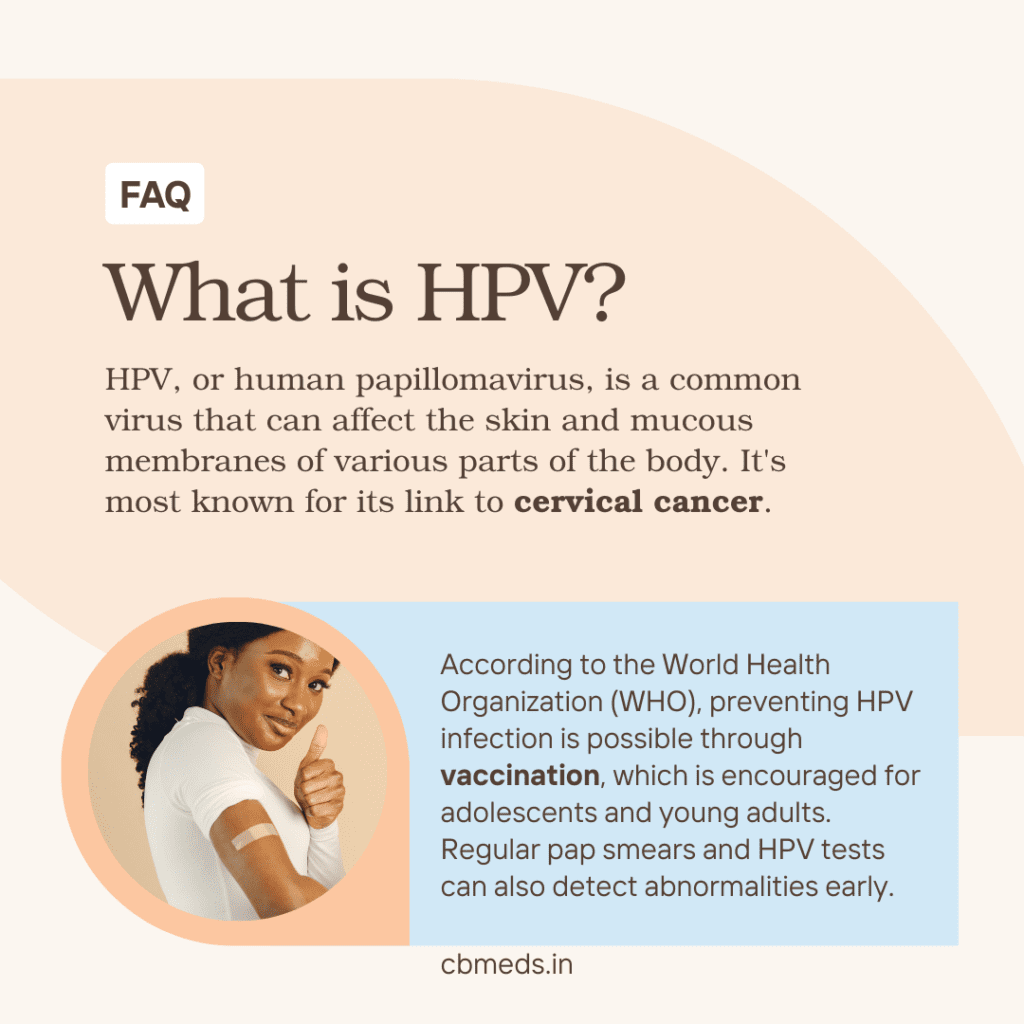
Cervical cancer remains one of the most preventable yet deadly cancers affecting women in India. Despite medical advancements and increasing awareness about preventive healthcare, thousands of women in the country are still diagnosed with cervical cancer every year. One of the most effective tools to prevent this disease is the Human Papillomavirus (HPV) vaccine. Increasing awareness and access to this vaccine is essential for improving public health in India.
Understanding HPV
Human Papillomavirus, commonly known as HPV, is a group of more than 100 related viruses. Some types of HPV are considered low-risk and may cause conditions like genital warts, while others are classified as high-risk because they can lead to various types of cancers.
HPV is primarily transmitted through skin-to-skin contact during sexual activity. Because the infection often does not show visible symptoms, many people may carry and transmit the virus without knowing it. In most cases, the immune system clears the virus naturally. However, persistent infection with high-risk HPV strains can lead to cancer over time.
HPV and Cervical Cancer in India
India has one of the highest numbers of cervical cancer cases in the world. According to health estimates, cervical cancer is among the leading cancers affecting women in the country.
The primary cause of cervical cancer is long-term infection with high-risk HPV types, especially HPV-16 and HPV-18. These two strains alone are responsible for the majority of cervical cancer cases globally.
Unfortunately, many cases in India are diagnosed at a late stage due to limited screening, lack of awareness, and social stigma around discussing reproductive health. This makes prevention through vaccination even more important.
How the HPV Vaccine Works
The HPV vaccine helps the body develop immunity against the most dangerous strains of the virus before exposure occurs. By stimulating the immune system to recognise and fight HPV, the vaccine significantly reduces the risk of developing cervical cancer and other HPV-related cancers later in life.
The vaccine is most effective when administered before an individual becomes sexually active, which is why it is recommended for children and adolescents aged 9–14 years. However, older teenagers and adults who have not previously been vaccinated can also benefit from receiving the vaccine.
Why HPV Vaccination is Important for India
There are several reasons why expanding HPV vaccination is critical in India:
High disease burden
India contributes a significant proportion of the global cervical cancer cases, making prevention strategies extremely important.
Limited screening programmes
Unlike many developed countries, routine cervical cancer screening is not widespread across India, leading to late diagnosis.
Lack of awareness
Many families are still unaware that cervical cancer can be prevented through vaccination and regular health check-ups.
Protecting future generations
Vaccinating young people today can dramatically reduce the number of cervical cancer cases in the coming decades.
Government Efforts and Public Health Initiatives
In recent years, India has taken steps to promote HPV vaccination. Efforts include introducing affordable vaccines, public awareness campaigns, and integrating HPV vaccination into public health programmes.
Health experts believe that wider vaccination coverage, combined with improved screening and education, could significantly reduce cervical cancer cases in the country.
The Role of Awareness and Education
One of the biggest barriers to HPV vaccination in India is misinformation and lack of knowledge. Many parents are hesitant about vaccinating their children due to myths surrounding vaccines and reproductive health.
Healthcare professionals, educators, and media platforms play an important role in spreading accurate information. When people understand that the HPV vaccine is a preventive measure against cancer, acceptance and vaccination rates can improve.
Conclusion
The HPV vaccine represents a major breakthrough in cancer prevention. With cervical cancer continuing to affect thousands of women in India each year, expanding access to vaccination is both a medical and social priority.
By increasing awareness, encouraging early vaccination, and strengthening public health programmes, India has the opportunity to drastically reduce cervical cancer cases in the future.
Preventive healthcare saves lives, and the HPV vaccine is one of the most powerful tools available today to protect future generations from HPV-related cancers. 🩺💉


