
Introduction
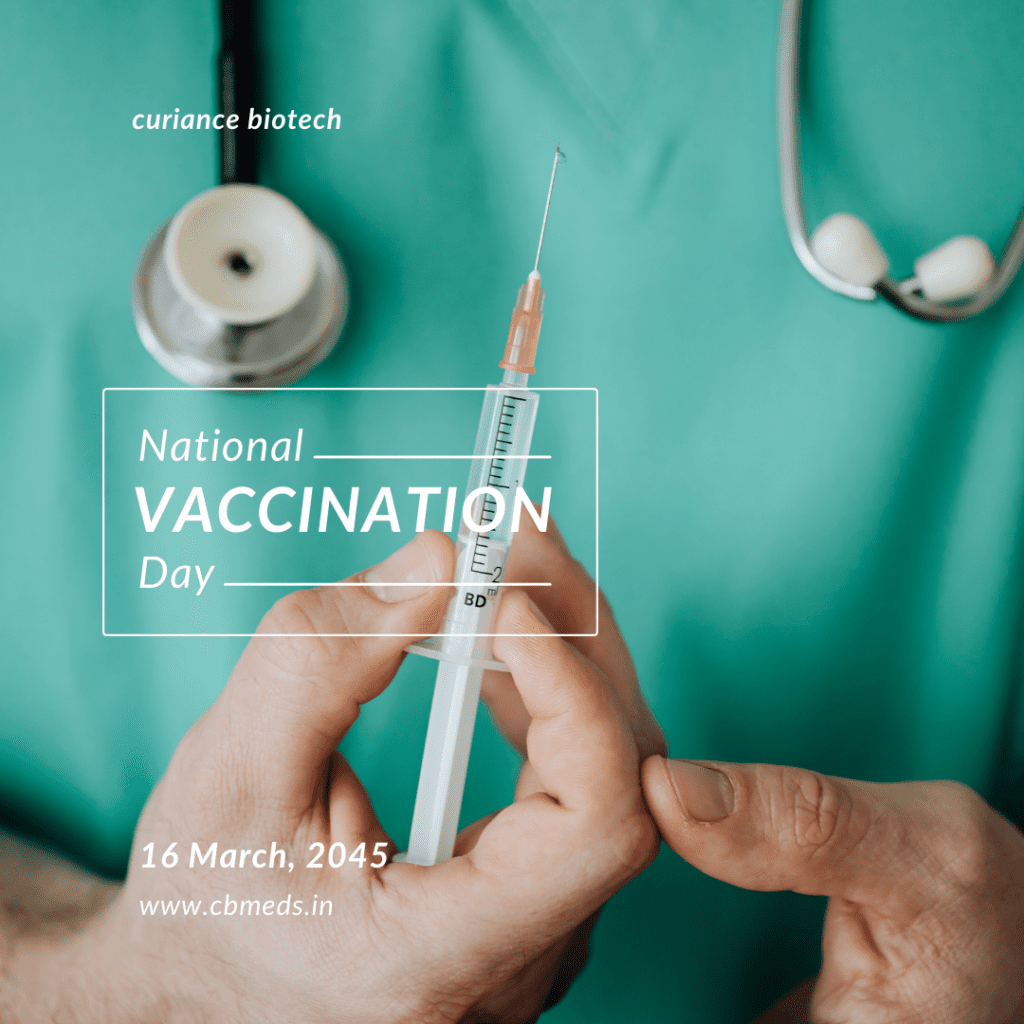
Every year on 16 March, India observes National Vaccination Day to highlight the importance of vaccines in preventing life-threatening diseases and safeguarding public health. This day commemorates a major milestone in India’s healthcare history — the launch of the Pulse Polio Immunisation Programme in 1995, which played a crucial role in making India polio-free in 2014.
Vaccination has been one of the most powerful and cost-effective medical interventions ever developed. Millions of lives have been saved through immunisation, and many deadly diseases that once caused widespread fear and mortality are now preventable.
National Vaccination Day serves as a reminder that vaccines are not only for children but are essential for people of all ages. It also encourages communities to stay informed and ensure that everyone receives timely vaccinations.
The History of National Vaccination Day in India
National Vaccination Day was first observed to recognise the success of India’s Pulse Polio Programme, one of the largest public health campaigns in the world.
Before the 1990s, polio was a major health challenge in India, causing paralysis and disability in thousands of children every year. In 1995, the Government of India launched an ambitious nationwide immunisation campaign to administer oral polio vaccines to children under the age of five.
Millions of healthcare workers, volunteers, and government officials participated in door-to-door vaccination drives. These efforts eventually led to a historic achievement — India was declared polio-free by the World Health Organization (WHO) in 2014.
National Vaccination Day honours this achievement and continues to promote the importance of routine immunisation across the country.
Why Vaccination is Important
Vaccines play a critical role in protecting individuals and communities from infectious diseases. They work by stimulating the body’s immune system to recognise and fight harmful pathogens such as viruses and bacteria.
Here are some key reasons why vaccination is essential:
1. Prevents Serious Diseases
Vaccines protect against several dangerous diseases including:
- Polio
- Measles
- Hepatitis B
- Tetanus
- Diphtheria
- Tuberculosis
- HPV (Human Papillomavirus)
These diseases can cause severe complications, long-term disability, and even death if left untreated.
2. Protects Communities Through Herd Immunity
When a large percentage of the population is vaccinated, it becomes difficult for diseases to spread. This is known as herd immunity.
Herd immunity protects vulnerable individuals who cannot receive vaccines, such as:
- Infants
- Elderly individuals
- People with weakened immune systems
By getting vaccinated, individuals contribute to the overall protection of society.
3. Reduces Healthcare Costs
Preventing diseases through vaccination is far more affordable than treating them. Vaccination programs reduce hospital admissions, long-term treatments, and the burden on healthcare systems.
For families, vaccines also prevent financial stress caused by medical emergencies and hospitalisation.
4. Helps Eradicate Diseases
Vaccination campaigns have successfully eliminated or significantly reduced several diseases worldwide.
For example:
- Smallpox was eradicated globally in 1980.
- Polio has been eliminated in most countries.
- Measles cases have significantly declined due to immunisation programs.
With continued efforts, more diseases could potentially be eliminated in the future.
India’s Universal Immunisation Programme
India runs one of the largest immunisation programs in the world called the Universal Immunisation Programme (UIP).
The program provides free vaccines to millions of children and pregnant women across the country.
Vaccines under this program protect against diseases such as:
- Tuberculosis (BCG vaccine)
- Polio (OPV)
- Diphtheria, Pertussis, and Tetanus (DPT)
- Hepatitis B
- Measles and Rubella
- Rotavirus
- Japanese Encephalitis (in endemic areas)
The program is supported by thousands of healthcare workers including ASHA workers, nurses, and doctors, who ensure that vaccines reach even the most remote villages.
The Role of COVID-19 Vaccination
The COVID-19 pandemic demonstrated the crucial importance of vaccines in controlling global health crises.
India conducted one of the largest vaccination drives in history, administering billions of doses to protect citizens from severe illness and death.
The success of this campaign showed how coordinated public health strategies, scientific innovation, and community participation can save lives during emergencies.
Addressing Vaccine Hesitancy
Despite the proven benefits of vaccines, some people remain hesitant due to misinformation, fear of side effects, or lack of awareness.
Common myths about vaccines include:
- Vaccines cause the disease they are meant to prevent
- Vaccines weaken the immune system
- Natural immunity is better than vaccination
In reality, vaccines are carefully tested for safety and effectiveness before approval. The benefits of vaccination far outweigh the risks.
Healthcare professionals and public awareness campaigns play a vital role in educating communities and addressing concerns related to immunisation.
Adult Vaccination: An Often Overlooked Need
While childhood immunisation receives significant attention, adult vaccination is equally important.
Adults may require vaccines such as:
- Influenza (flu vaccine)
- COVID-19 boosters
- Hepatitis vaccines
- Tetanus booster shots
- HPV vaccine
- Pneumococcal vaccine (for older adults)
These vaccines help protect adults from infections that can cause severe complications, especially in older individuals or those with chronic diseases.
The Role of Healthcare Workers
Healthcare workers are the backbone of vaccination programs. Doctors, nurses, pharmacists, and community health workers ensure that vaccines are safely administered and accessible to the public.
Their responsibilities include:
- Educating patients about vaccine benefits
- Ensuring proper storage and handling of vaccines
- Monitoring vaccine safety
- Conducting immunisation drives in remote areas
Their dedication and commitment have helped protect millions of people across India.
How Individuals Can Support Vaccination Efforts
Every individual can contribute to the success of immunisation programs by taking simple steps:
- Follow the recommended vaccination schedule.
- Ensure children receive all routine vaccines on time.
- Consult healthcare providers about adult vaccines.
- Spread accurate information about vaccines.
- Encourage family members and communities to stay vaccinated.
By staying informed and proactive, individuals can help build a healthier society.
Looking Ahead: The Future of Vaccination
Advancements in medical research continue to improve vaccine technology. Scientists are developing new vaccines for diseases such as:
- HIV
- Malaria
- Certain cancers
Innovations like mRNA vaccine technology have also opened new possibilities for faster vaccine development and improved disease prevention.
These developments highlight the importance of continued investment in immunisation programs and global health initiatives.
Conclusion
National Vaccination Day is a powerful reminder of the role vaccines play in protecting lives and strengthening public health systems. From eradicating polio to preventing deadly infections, vaccines have transformed modern medicine.
However, the success of vaccination programs depends on collective participation. Governments, healthcare workers, and citizens must work together to ensure that every individual has access to life-saving vaccines.
As we observe National Vaccination Day 2026, let us reaffirm our commitment to immunisation and recognise that vaccines are one of the most effective tools for building a healthier and safer future.
Vaccination is not just a personal choice — it is a responsibility toward society.


